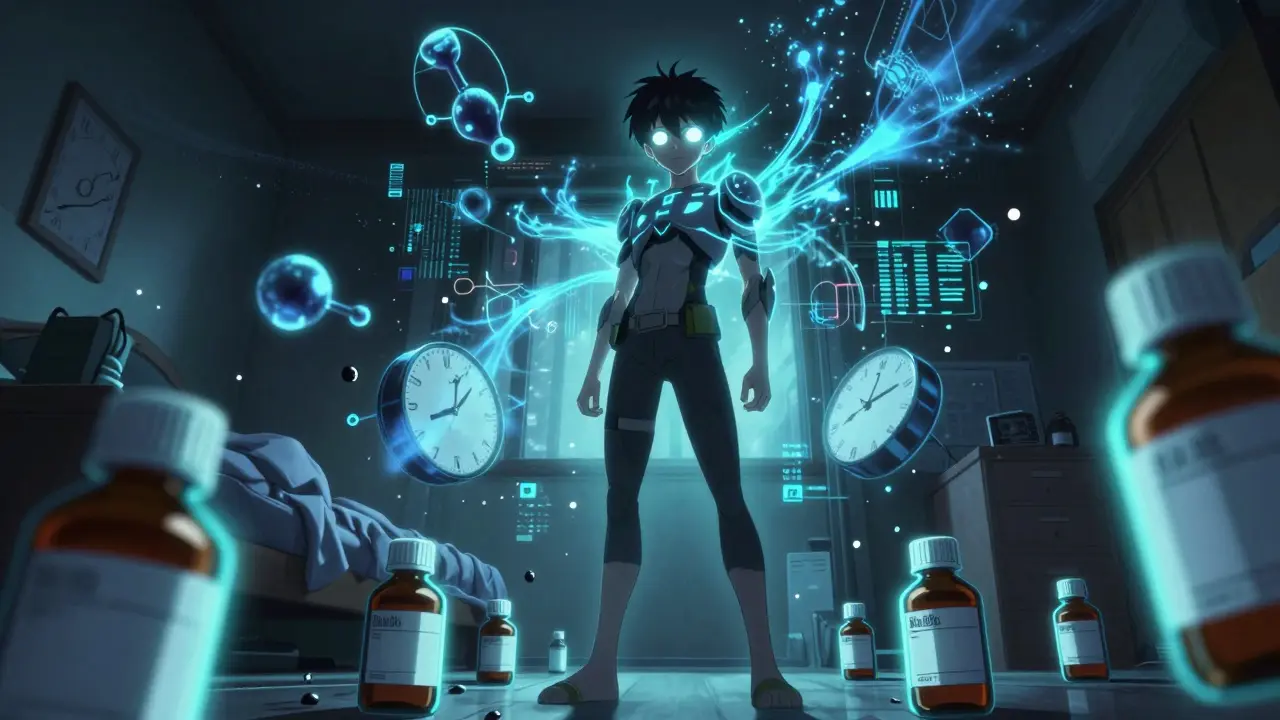
It’s easy to overlook a bottle of cough syrup sitting on the bathroom shelf. It’s not a pill, not a prescription, and it’s sold right next to toothpaste and hand sanitizer. But when taken in large amounts, dextromethorphan - or DXM - can turn a simple cold remedy into a dangerous hallucinogen. This isn’t science fiction. It’s happening in bedrooms, basements, and high school bathrooms across the country, often with teens who think they’re just drinking something harmless.
What Is DXM, Really?
Dextromethorphan is a synthetic drug approved by the FDA in 1958 to stop coughs. Unlike codeine, it doesn’t relieve pain or cause physical dependence when taken as directed. A standard dose? 15 to 30 milligrams every four to eight hours. That’s it. But the label doesn’t tell you what happens when you take 10 times that amount - or 50 times.
When abused, DXM acts on the brain’s NMDA receptors, the same ones targeted by drugs like PCP and ketamine. This triggers dissociation - a feeling of being detached from your body, your thoughts, even reality. People call it “robo tripping,” “dexing,” or “candy.” Some call it “drank,” especially when mixed with soda and hard candy to mask the bitter taste. It’s cheap. It’s legal. And for many, it’s the first time they’ve ever gotten high.
How Do People Abuse It?
It starts with a bottle. Robitussin DM, Benylin DM, Coricidin, NyQuil, DayQuil - if it says “DM” on the label, it contains DXM. Some products have as much as 30 mg per 10 mL. To get high, abusers drink entire bottles - sometimes multiple - in one sitting. That’s 240 mg to over 1,500 mg of DXM. The recommended daily maximum? 120 mg.
Some users don’t just drink it. They’ve figured out ways to bypass the nausea and vomiting that come with swallowing so much syrup. One method, called “robo shake,” involves drinking a large amount of cough syrup and then vomiting on purpose. The idea? Let the DXM absorb through the stomach lining while getting rid of the other ingredients that make you sick. It doesn’t always work. People still end up in emergency rooms with seizures or dangerously high blood pressure.
Others go further. They extract pure DXM powder from the syrup using simple household chemicals - vinegar, water, filters. Online forums and videos show how. Once it’s isolated, users swallow capsules, snort the powder, or even inject it. Pure DXM is far more dangerous. One gram can be lethal. There’s no margin for error.
The Four Plateaus of a DXM High
DXM doesn’t just make you feel “off.” It takes you through distinct stages - called plateaus - each more intense than the last. These aren’t myths. They’re documented by users and medical professionals alike.
- First plateau (100-200 mg): Mild euphoria, slight dizziness, tingling. Like a buzz from alcohol, but clearer.
- Second plateau (200-400 mg): Distorted vision, altered sense of time, mild hallucinations. Colors seem brighter. Sounds echo.
- Third plateau (400-600 mg): Strong dissociation. Users report feeling like they’re floating outside their body. Confusion, slurred speech, loss of coordination. This is where people fall, hit their heads, or wander into traffic.
- Fourth plateau (600+ mg): Complete detachment from reality. Vivid hallucinations, delusions, paranoia. Some describe it as near-death. Others never come back.
Most people don’t plan to reach the fourth plateau. But when you’re mixing syrups, chasing a high, and not knowing how much DXM is in each bottle, it’s easy to cross the line.
What Happens When You Mix It?
DXM is rarely taken alone. Teens mix it with soda, alcohol, energy drinks, or even antidepressants. That’s when things turn deadly.
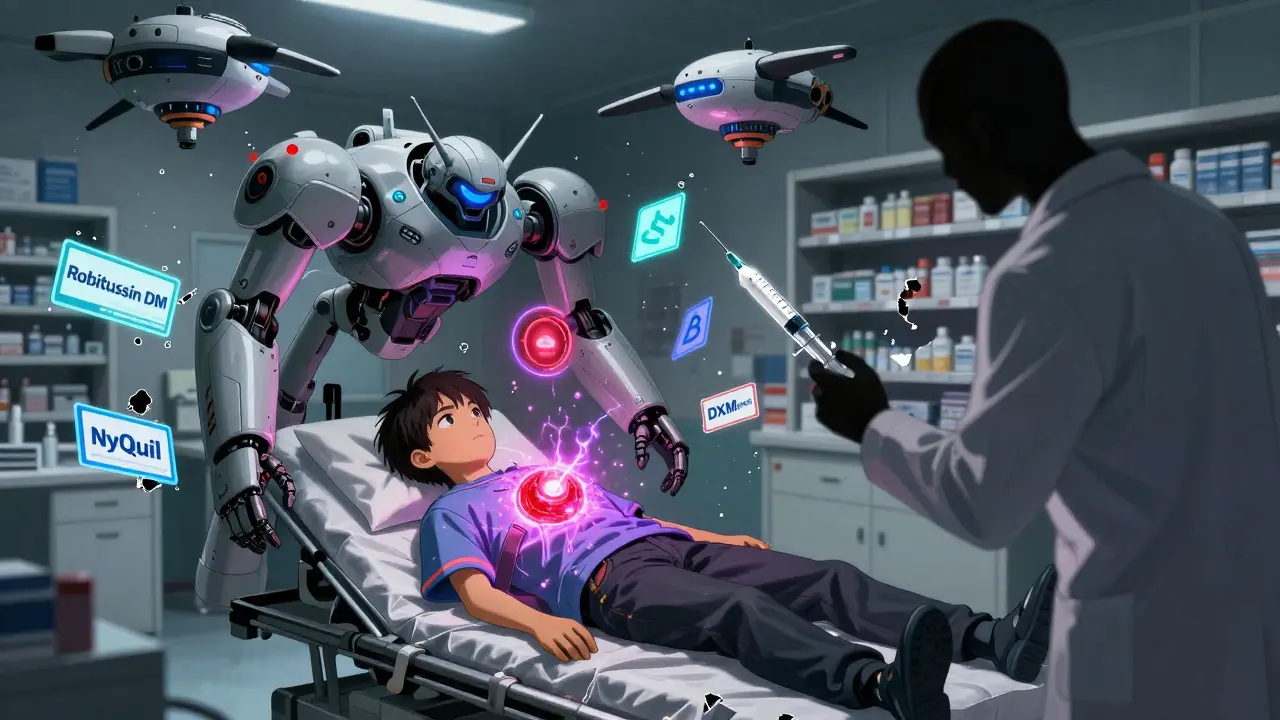
Combining DXM with alcohol? A recipe for respiratory failure. Both depress the central nervous system. Together, they can stop your breathing. The Mount Sinai Health Library says this combo has caused multiple deaths.
Mixing it with MDMA (ecstasy) or SSRIs like Prozac? That’s a fast track to serotonin syndrome - a life-threatening spike in body temperature, heart rate, and blood pressure. Seizures. Brain damage. Death. The NIH reports cases where teens collapsed after mixing DXM with over-the-counter cold pills that already contained antihistamines or decongestants.
And it’s not just the drugs. Many cough syrups contain acetaminophen (Tylenol). Take too much of that with DXM? Liver failure. No warning. No second chance.
Why Teens Are Turning to DXM
It’s not about rebellion. It’s about access.
Unlike marijuana, alcohol, or even vaping devices, DXM is legal, cheap, and easy to buy. A bottle of Robitussin costs less than $5. No ID needed. No questions asked. For kids who can’t afford street drugs or don’t know how to get them, DXM is the only option.
It’s also invisible. Parents don’t check the medicine cabinet for cough syrup abuse. Schools don’t test for it. And because it’s not a controlled substance, there’s no stigma - until someone ends up in the hospital.
The National Institute on Drug Abuse found that nearly 5% of high school seniors admitted to abusing OTC cough medicine in 2015. That number hasn’t dropped. In fact, with the rise of online extraction tutorials, it’s likely growing.
The Hidden Risks Nobody Talks About
Most people think DXM abuse is a one-time thing. That you take a few bottles, have a wild night, and move on. But that’s not always true.
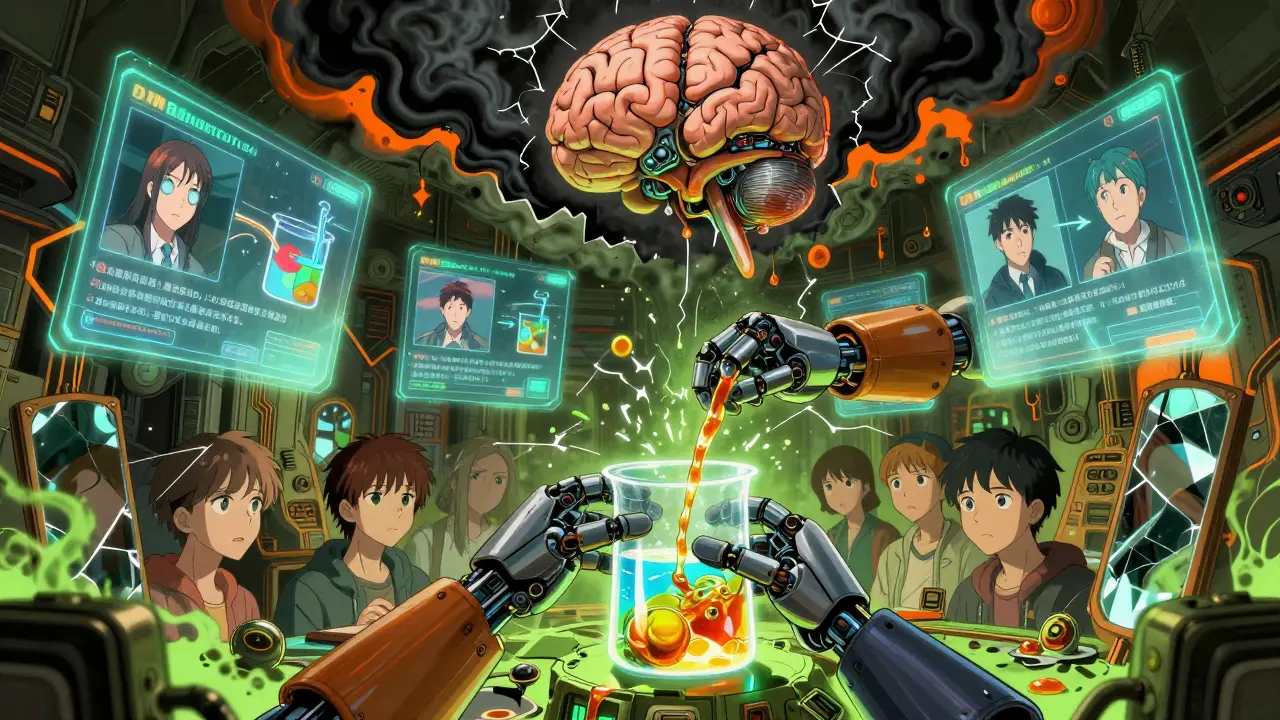
Some users develop tolerance. They need more and more to get the same effect. Others report cravings, anxiety, and depression when they stop. Treatment centers like Greenhouse Treatment say they’re seeing more cases of DXM dependence - not because it’s physically addictive like opioids, but because the psychological pull is strong. The dissociation feels like an escape. And for kids dealing with trauma, anxiety, or loneliness, that escape is hard to give up.
Even after one use, some people report lasting mental effects: memory loss, difficulty concentrating, emotional numbness. The brain doesn’t bounce back easily after being flooded with dissociative chemicals.
And then there’s the legal gray area. While DXM isn’t federally controlled, some states have passed laws restricting sales to minors. Others require pharmacies to keep DXM products behind the counter. But enforcement is patchy. A 15-year-old can still walk into a corner store and buy three bottles without blinking.
What Can Be Done?
Parents, teachers, and even pharmacists need to pay attention. Look for empty bottles. Notice changes in behavior - poor grades, withdrawal, strange speech patterns. Ask questions. Don’t assume it’s just “kids being kids.”
Some pharmacies now limit how many bottles you can buy at once. Some schools run prevention programs. But the real solution? Education. Not scare tactics. Real talk about what DXM does to your brain, your body, your future.
And if someone you know has taken too much? Don’t wait. Call 911. Don’t try to “sleep it off.” DXM overdoses can kill silently. Survival depends on how fast help arrives.
DXM isn’t evil. Used correctly, it helps millions of people sleep through a bad cough. But when you take it for the wrong reason - when you chase a high instead of relief - it becomes something else entirely. Something dangerous. Something deadly.
Can you get addicted to DXM?
DXM isn’t physically addictive like heroin or alcohol, but it can lead to psychological dependence. People who use it regularly report cravings, anxiety when they stop, and a need to take more to get the same effect. Treatment centers are seeing more cases of long-term DXM users struggling to quit, especially those who use it to cope with emotional pain.
How do you know if someone is abusing DXM?
Signs include empty cough syrup bottles, slurred speech, uncoordinated movements, dilated pupils, frequent vomiting, mood swings, and secretive behavior. They might smell like sweet syrup or have stains on their clothes. If they’re suddenly obsessed with buying cold medicine or searching online for “how to get high on cough syrup,” that’s a red flag.
Is DXM illegal?
No, DXM itself isn’t illegal. But buying it in large quantities with intent to abuse can be prosecuted under state laws. Some states require pharmacies to keep DXM products behind the counter or limit purchases. The DEA has considered classifying it as a controlled substance if abuse continues to rise.
Can you overdose on DXM?
Yes. Overdosing on DXM can cause seizures, coma, respiratory failure, and death. The risk is higher when mixed with alcohol, antidepressants, or acetaminophen. Symptoms include extreme drowsiness, confusion, irregular heartbeat, high blood pressure, and loss of consciousness. If you suspect an overdose, call emergency services immediately - don’t wait.
Are there safer alternatives to DXM for coughs?
Yes. For most coughs, honey (for adults and children over one year), warm fluids, steam inhalation, and saline nasal sprays work well. If a cough persists, see a doctor. There are prescription cough suppressants that don’t carry the same risks as DXM. Never use OTC medicine for anything other than its labeled purpose.

Maggie Noe
January 8, 2026 AT 21:04DXM isn’t some harmless candy-it’s a dissociative that rewires your brain’s sense of reality. I’ve seen friends go from ‘just trying it once’ to spending weekends in a fog, staring at the ceiling like it’s a galaxy. And the worst part? No one talks about how it makes you feel hollow afterward. Like your soul got scooped out and replaced with static.
It’s not about being ‘edgy’ or ‘rebellious.’ It’s about kids who feel invisible using chemistry to feel something, anything. We need better mental health support, not just stricter pharmacy rules.
Drew Pearlman
January 10, 2026 AT 18:32Look, I get it-cough syrup is everywhere. I used to buy Robitussin DM just because it was cheap and I was bored. Didn’t know what I was doing until I woke up in my bathroom at 3 a.m. thinking my cat was speaking in ancient Sumerian.
It’s not even the high that gets you-it’s the crash. The next day, you’re exhausted, anxious, and ashamed. And then you do it again because you think, ‘Maybe this time it’ll feel different.’ Spoiler: it doesn’t.
Parents, check your cabinets. Teachers, talk to your students. This isn’t a phase. It’s a cry for help wrapped in a plastic bottle.
Gregory Clayton
January 12, 2026 AT 02:30THIS IS WHY AMERICA IS FALLING APART. Kids can walk into any Walmart and buy enough poison to hallucinate like they’re in a bad sci-fi movie-and no one bats an eye. Where’s the accountability? Where’s the discipline? Back in my day, if you got caught drinking cough syrup, your dad would’ve made you drink the whole bottle and then scrub the bathroom with a toothbrush.
Now? We give them therapy and trigger warnings. Pathetic. Stop coddling them. Lock the damn medicine cabinet and teach them to deal with boredom without chemicals.
Catherine Scutt
January 13, 2026 AT 00:11People who do this are just dumb. You don’t need to be a genius to read the label: ‘Do not exceed 120mg/day.’ If you’re drinking five bottles, you’re not ‘experimenting’-you’re just stupid. And now you’re gonna blame society because you didn’t think before you swallowed? Grow up.
Also, if you’re mixing it with alcohol or antidepressants, you’re not a rebel-you’re a walking OSHA violation.
Ashley Kronenwetter
January 13, 2026 AT 21:54While the dangers of DXM abuse are well-documented, it’s important to recognize that the root causes-loneliness, lack of access to mental healthcare, and systemic neglect-are far more complex than pharmacological regulation alone can address. Educational initiatives grounded in empathy and neuroscience, rather than fear-based messaging, have shown measurable success in reducing substance misuse among adolescents.
Policy changes must be paired with community-based support systems to be truly effective.
Aron Veldhuizen
January 14, 2026 AT 14:13Let’s be brutally honest: DXM isn’t the problem. The problem is that we’ve turned childhood into a trauma-fueled endurance test and then handed kids pharmaceutical bandaids instead of real connection.
You think they’re doing this for fun? No. They’re doing it because their parents are emotionally absent, their schools are soul-crushing, and the only thing that makes them feel alive is when their body detaches from the nightmare of being 16 in 2025.
Calling it ‘abuse’ is just a euphemism for societal failure. We don’t need more locks on cabinets-we need more adults who actually show up.
Meghan Hammack
January 16, 2026 AT 04:32You’re not alone if you’ve ever done this. I did it once in high school-didn’t know what I was doing. I thought I was just gonna feel buzzed. Ended up crying for three hours because I felt like I was floating in space.
But I got help. I talked to a counselor. I started journaling. And now I help other kids who are struggling. It’s not about shame. It’s about knowing you can come back from it.
If you’re reading this and you’re still doing it? Please, reach out. Someone cares. Even if you don’t believe it yet.
Lindsey Wellmann
January 17, 2026 AT 20:26OMG I JUST REALIZED MY BROTHER HAS BEEN DOING THIS 😭
He’s been buying Robitussin every week and says it’s ‘for his cough’ but he smells like cherry syrup and stares at the wall for hours. I found an empty bottle in his backpack with ‘ROBO TRIP 4/20’ written on it in marker.
He’s 17. I’m so scared. What do I do??
Angela Stanton
January 19, 2026 AT 01:50From a neuropharmacological standpoint, DXM’s NMDA antagonism induces a glutamate surge followed by compensatory downregulation, which explains the cognitive fog and emotional blunting post-use. Chronic exposure correlates with reduced hippocampal volume and impaired executive function-neuroimaging studies from JAMA Psychiatry 2022 confirm this.
Additionally, the pharmacokinetic synergy with acetaminophen creates a hepatotoxic cascade via CYP2E1 saturation. This isn’t ‘teen rebellion.’ It’s a preventable public health crisis with quantifiable biomarkers. Why are we still treating this like a moral failing?
Johanna Baxter
January 20, 2026 AT 19:51Everyone’s so quick to judge the kids but never the parents who leave the medicine cabinet unlocked like it’s a vending machine.
My cousin died from DXM + Tylenol. She was 15. Her mom didn’t even know she was taking it until the coroner called.
You think you’re being cool by not being ‘that parent’? You’re just negligent. And now your kid’s dead. Congrats.
Jerian Lewis
January 21, 2026 AT 11:31Why do people always act like this is a new problem? My uncle did this in 1998. He took 12 bottles and woke up in the ER with his mom screaming at him. He’s fine now. Works at a hardware store. Married. Two kids.
Stop sensationalizing it. Not everyone who tries it ends up in a mental hospital. Some people just have a weird night and move on.
Kiruthiga Udayakumar
January 23, 2026 AT 10:49India has same problem. Teens buy cough syrup from local shops. No ID needed. No one cares. One boy in my town took 20 bottles. Died. His parents said, ‘He was just coughing.’
You think America is special? No. We are all sleeping while our children are drowning.