Why your prescription might not work across the border
You are on holiday in France. You need a refill of your daily medication. It is a generic drug, widely available and cheap. You walk into a local pharmacy with your digital prescription from home. The pharmacist scans it, frowns, and says it is invalid. This scenario is becoming less common, but it still happens. The promise of cross-border pharmacy services within the European Union is that you should be able to access your medicines anywhere in the bloc. In reality, the system is a patchwork of national rules, technical glitches, and regulatory hurdles.
The concept of EU generic drug mobility refers to the ability of patients to obtain prescribed medications, particularly cost-effective generics, in an EU member state other than their own. While the legal framework exists, the practical experience varies wildly depending on where you live and where you travel. Understanding how this system works can save you from being stranded without essential medication.
How the MyHealth@EU infrastructure actually works
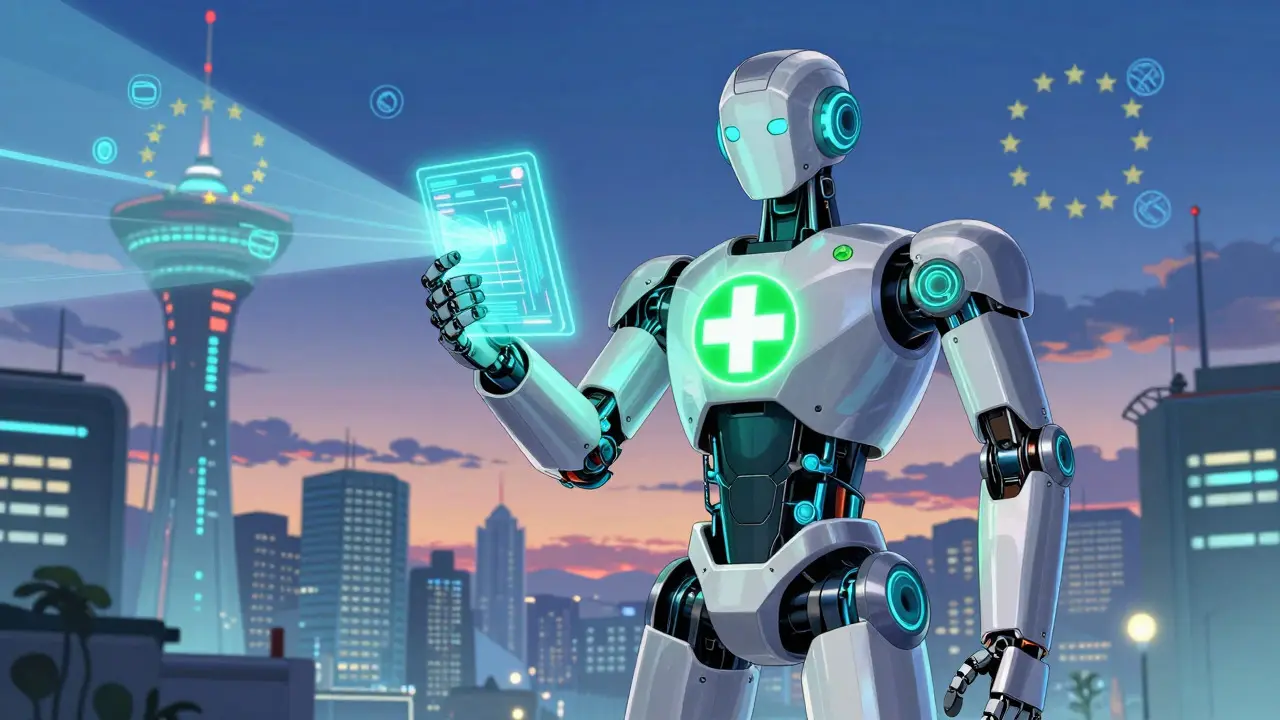
At the heart of this system is the eHealth Digital Service Infrastructure (eHDSI), branded as MyHealth@EU. This is not just a website; it is a secure communication portal connecting national health systems. As of late 2025, this infrastructure supports two primary services: ePrescription/eDispensation and Patient Summaries.
The ePrescription service allows citizens to obtain medication in foreign pharmacies through secure electronic transfers. If your country has implemented this correctly, the pharmacist abroad receives your prescription data directly from your home country's system. They see exactly what was prescribed, the dosage, and the patient details. This eliminates the risk of illegible handwriting or lost paper prescriptions. Currently, 27 EU and EEA countries have operational ePrescription services. Iceland completed its integration by August 31, 2025, enabling full bidirectional health data exchange.
The Patient Summary service provides critical context. It lists allergies, current medications, and previous medical history. This is vital for safety. If you have a severe penicillin allergy, the summary ensures the pharmacist in Germany knows before dispensing a similar antibiotic. The data is presented in the practitioner's language, overcoming linguistic barriers that often complicate healthcare interactions abroad.
| Service | Function | Coverage (as of Nov 2025) | Primary Benefit |
|---|---|---|---|
| ePrescription | Secure transfer of prescription data | 27 EU/EEA countries | Eliminates paper errors; enables access abroad |
| Patient Summary | Sharing of allergies, meds, history | 27 EU/EEA countries | Improves safety; reduces duplicate testing |
| eConsent | User-controlled data sharing permissions | Varies by country | Ensures GDPR compliance and patient autonomy |
The role of e-pharmacies and the EAEP Action Plan
Digital pharmacies are changing the landscape. The European Association of E-Pharmacies (EAEP) launched a comprehensive Action Plan in June 2025. This plan outlines five strategic priorities to integrate online pharmacies into Europe's health systems. One major goal is pan-European prescription delivery. This is already legally permitted in eight member states, including Germany, France, and Austria.
Imagine ordering your chronic disease medication online from a reputable e-pharmacy in your home country and having it delivered to your hotel in Spain. The EAEP argues this improves efficiency and addresses medicine shortages. By using flexible cross-border supply chains, pharmacies can source drugs from neighboring countries if local stocks run low. Studies cited by the EAEP show that digital pharmacy services reduce medication errors by 22% and improve chronic disease management compliance by 17%.
However, adoption is uneven. Only eight EU countries have adopted comprehensive rules governing pharmacists' conduct in e-pharmacies. This creates a fragmented market. In some regions, e-pharmacies are fully integrated into national reimbursement systems. In others, they operate in a gray area, struggling to get fair payment for their services. The EAEP represents about 120 registered e-pharmacies across 15 EU countries, pushing for greater harmonization.
Regulatory hurdles and the UK-Ireland disconnect
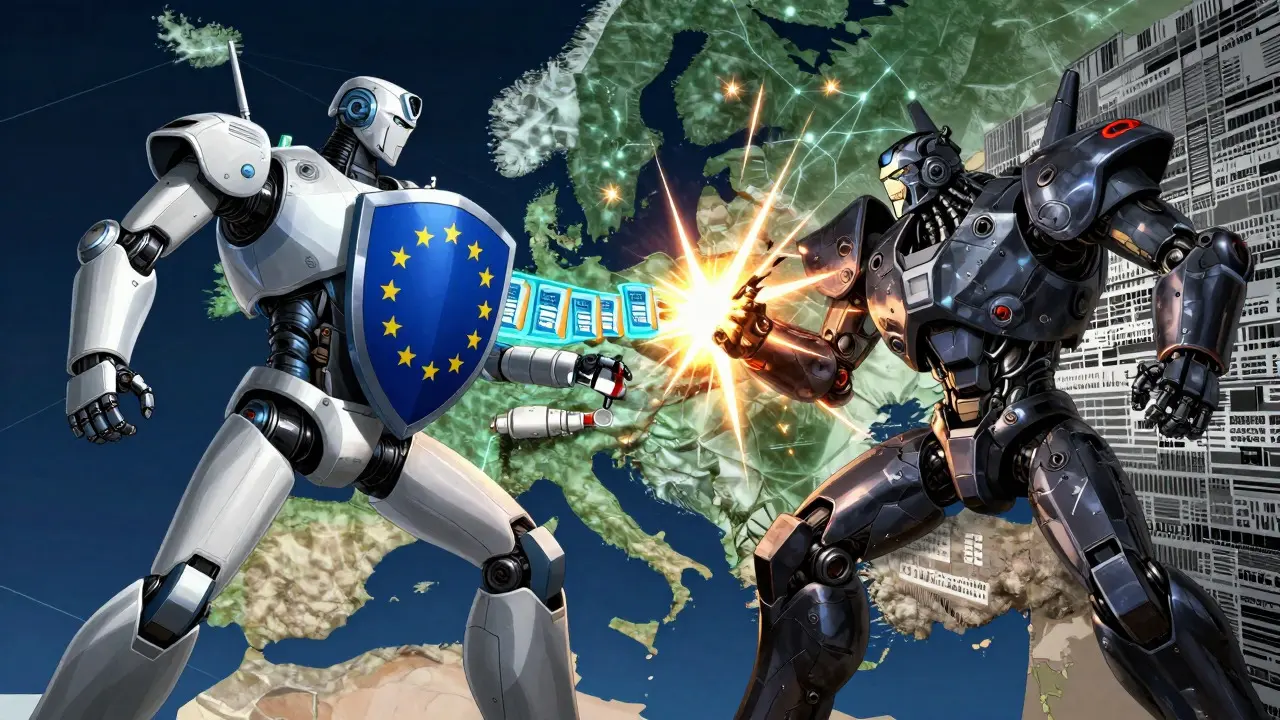
Not all borders are equal. The relationship between the United Kingdom and the Republic of Ireland highlights the complexities of post-Brexit healthcare logistics. Prescriptions issued outside the EU/EEA are generally invalid in Ireland. This includes prescriptions from UK-based telehealth services. Pharmacists in Ireland must screen these prescriptions carefully. If a consultation method does not meet Irish standards, or if the prescriber's contact details are missing, the prescription is rejected.
This causes real problems for patients. Irish residents who use UK telehealth platforms for convenience often find themselves unable to pick up their meds locally. Emergency supplies are prohibited for such prescriptions. This forces patients to either return to the UK or seek a new consultation with an Irish doctor, adding time and cost. It serves as a stark reminder that digital health frameworks are deeply tied to political and regulatory boundaries.
Italy introduced another layer of complexity in February 2025. The country replaced traditional pharmaceutical 'bollino' stickers with GS1 DataMatrix codes on prescriptions. This move aims to streamline verification and reduce fraud. However, it requires pharmacies to update their scanning equipment and software. For travelers, this means ensuring their digital prescription format is compatible with Italian systems. The European Medicines Agency's Clinical Trials Information System (CTIS) transition also impacts biotech firms, requiring strict conformity to avoid corrective measures.
Addressing medicine shortages with cross-border supply
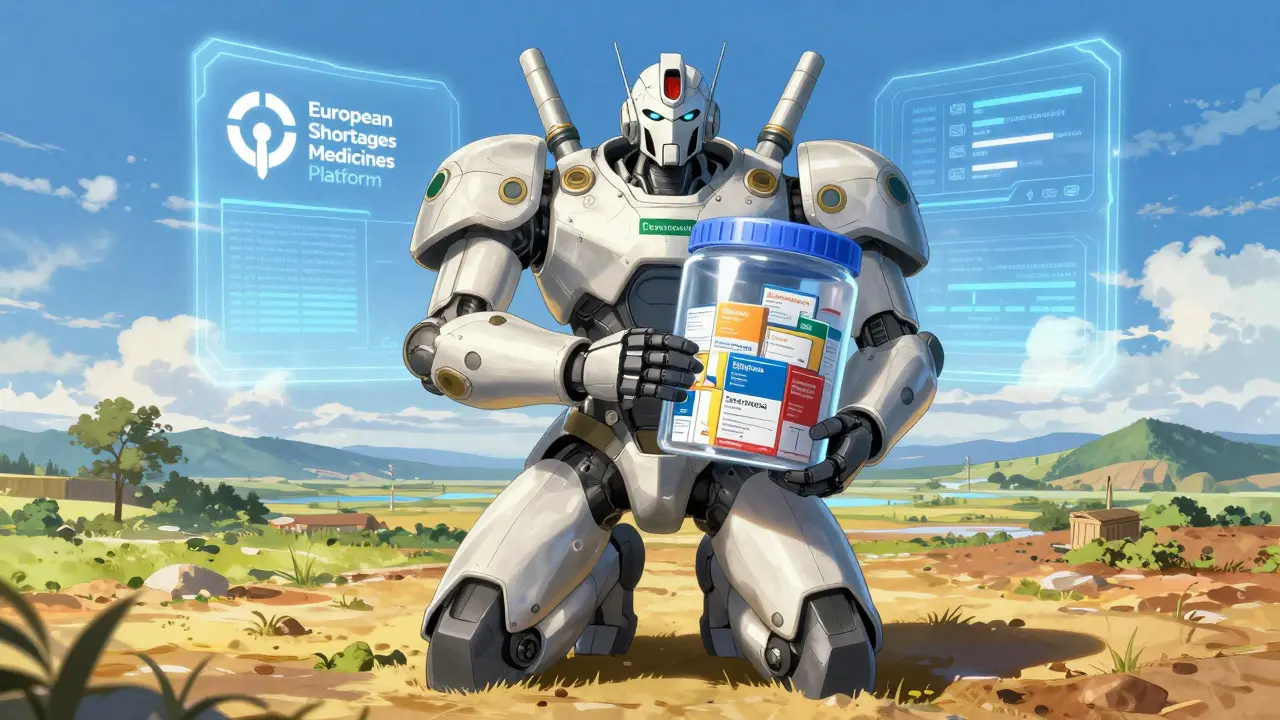
One of the most compelling arguments for cross-border mobility is the mitigation of drug shortages. The EU's Critical Medicines Act mandates marketing authorization holders to proactively report supply and demand data. This information feeds into the European Shortages Medicines Platform (ESMP). When a specific generic drug is scarce in one country, the platform helps identify surplus stock in another.
For example, if a common antihypertensive medication is out of stock in Poland, pharmacies can check availability in neighboring Czechia or Slovakia. The ESMP facilitates this coordination. However, logistical challenges remain. Transport times, customs checks for non-EU transit, and differing packaging requirements can delay deliveries. The General Pharmaceutical Council's guidance emphasizes local regulatory compliance over cross-border harmonization, which can slow down emergency responses.
Border regions benefit most from this flexibility. In the Netherlands-Germany frontier, established networks facilitate smoother access. A survey found that 78% of patients in these areas reported successful cross-border prescription fulfillment. In contrast, only 42% of patients in non-border regions had similar success. This disparity underscores the need for better infrastructure and awareness throughout the entire EU, not just at the edges.
Practical steps for patients traveling in the EU
If you are planning to travel within the EU, take these steps to ensure uninterrupted access to your medications:
- Check your country's ePrescription status. Confirm that your home country has joined the MyHealth@EU network. Most do, but implementation quality varies.
- Register for eConsent. Log into your national health portal (like island.is in Iceland) and authorize health data sharing for your travel dates and destinations. Without explicit consent, your data may not be accessible abroad.
- Carry physical backups. Despite digital advances, keep a printed copy of your prescription and a list of your medications. Include the active ingredients, not just brand names, as generics may have different names in different countries.
- Verify pharmacy acceptance. Not all pharmacies abroad are equipped to handle ePrescriptions. Call ahead or look for signs indicating participation in cross-border schemes.
- Understand reimbursement limits. While you can buy medicine abroad, getting reimbursed by your home insurance can be complex. Keep receipts and consult your insurer beforehand.
Awareness remains low. Only 38% of EU citizens know their rights under Directive 2011/24/EU. In border regions, this jumps to 72%. Educating yourself is the first line of defense against access issues.
Future outlook: Towards seamless integration
The trajectory points toward increased connectivity. The European Commission plans to expand shared health data to include medical images, lab results, and hospital discharge reports by 2027. Complete electronic health records will follow. This would create a truly unified health space, where a patient's record travels with them seamlessly.
Market analysis predicts the EU cross-border pharmacy sector will grow at a 14.3% compound annual growth rate through 2030. Drivers include aging populations and rising chronic disease prevalence. IQVIA forecasts that successful implementation could reduce medication access disparities by up to 35% by 2030. However, this requires sustained political commitment. The EAEP warns that without swift action, digital inclusion will remain uneven.
Challenges persist. Reimbursement disparities, inconsistent training for pharmacists, and varying levels of technological maturity across member states pose significant obstacles. Pharmacists require approximately 40 hours of specialized training to manage cross-border workflows effectively. Language barriers and differing medication formulations add to the complexity. Yet, the potential benefits-safer, more efficient, and more accessible healthcare-are too great to ignore.
Can I use my UK prescription in an EU pharmacy?
Generally, no. Since Brexit, UK prescriptions are considered non-EU. Most EU countries do not accept them directly. You usually need a new prescription from a local doctor in the EU country you are visiting. Some exceptions may exist for short-term emergencies, but rely on carrying sufficient medication for your trip.
What is the MyHealth@EU initiative?
MyHealth@EU is the brand name for the eHealth Digital Service Infrastructure (eHDSI). It connects national health systems across the EU to enable the secure exchange of electronic prescriptions and patient summaries. It allows you to access healthcare services, including pharmacy dispensing, while traveling in other member states.
Do I need to give consent for my health data to be shared?
Yes. Under GDPR and national laws, you must explicitly consent to share your health data across borders. You typically do this through your national health portal. You can specify which countries and for how long your data is accessible. Without this consent, foreign providers may not see your prescription or medical history.
Are e-prescriptions accepted everywhere in the EU?
While 27 EU/EEA countries have operational ePrescription services, acceptance depends on the specific pharmacy's technology and the bilateral agreements between countries. It is always wise to carry a physical backup. Additionally, not all pharmacies are equipped to process cross-border e-prescriptions, so calling ahead is recommended.
How do cross-border pharmacies help with drug shortages?
The European Shortages Medicines Platform (ESMP) monitors supply levels. If a drug is scarce in one country, pharmacies can source it from another with surplus stock. This cross-border mobility helps stabilize supply chains and ensures patients continue to receive essential treatments even during localized shortages.
Is it cheaper to buy generic drugs in other EU countries?
Prices vary significantly between member states due to different national pricing policies and reimbursement rates. While some countries offer lower prices for generics, you may not be able to claim full reimbursement from your home insurance. Check with your insurer before purchasing abroad to understand the net cost.
What is the EAEP Action Plan?
Launched in June 2025, the European Association of E-Pharmacies (EAEP) Action Plan aims to integrate online pharmacies into EU health systems. Key goals include enabling pan-European prescription delivery, improving access to electronic health records, addressing shortages via cross-border supply, and expanding telepharmacy services to underserved areas.