
Shift Work Sleep Disorder is a condition where your body’s internal clock fights against your work schedule, causing severe insomnia or uncontrollable sleepiness. If you are a nurse, factory worker, or driver pulling all-nighters, you know the feeling. It isn't just about being tired. It is a biological clash that affects your heart, your mind, and your safety on the road.
Your body runs on a circadian rhythm, a 24-hour cycle driven by light and dark. When you work at night, you are essentially telling your brain it is daytime while your body thinks it is bedtime. This mismatch leads to what experts call circadian misalignment. According to the Centers for Disease Control and Prevention (CDC), nearly 30% of night shift workers suffer from moderate to severe sleepiness. That is more than three times the rate of day workers. You are not lazy; your biology is simply working against you.
Understanding the Biological Clash
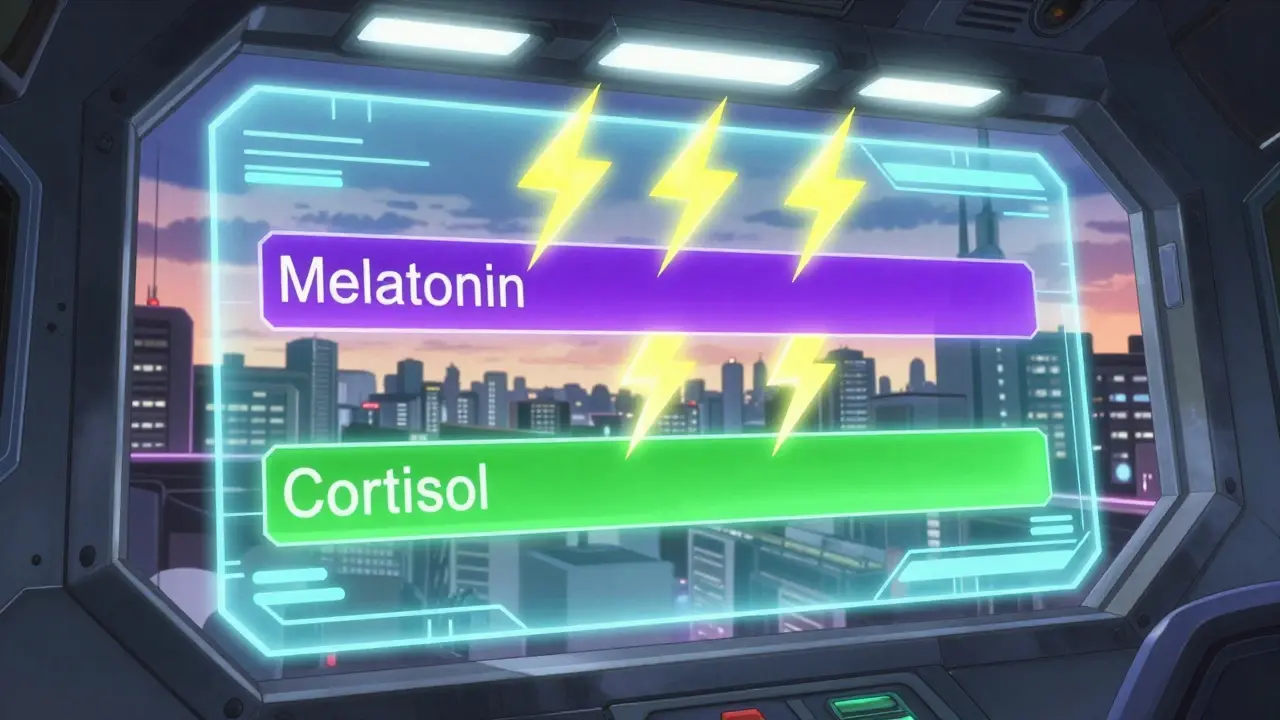
To fix the problem, you have to understand what is breaking down inside your body. The key players here are two hormones: melatonin and cortisol. Melatonin is the chemical signal that tells your body it is time to sleep. Normally, it spikes around 10 PM. Cortisol is the wake-up hormone, rising in the morning to get you moving.
When you work nights, this system gets scrambled. Exposure to artificial light during your shift suppresses melatonin production by up to 85%. Meanwhile, your cortisol levels stay low when you need them high. The result? You feel groggy during your shift and wired when you try to sleep during the day. Research from the Harvard Medical School shows that only 2-5% of night shift workers ever fully adapt to this schedule. For the rest of us, it is a constant battle.
Recognizing the Symptoms Early
You might think you are just "used to" the shifts, but there are clear signs that you have developed SWSD. Look out for these specific indicators:
- Persistent Insomnia: You lie in bed during the day, but sleep does not come for hours, or you wake up after just four hours.
- Excessive Sleepiness: You find yourself dozing off in meetings, while driving home, or even while standing still at work.
- Cognitive Decline: Memory lapses, trouble concentrating, and slower reaction times become common.
- Digestive Issues: Eating at odd hours disrupts gut health, leading to bloating or acid reflux.
- Mood Swings: Irritability and anxiety increase as sleep debt accumulates.
If these symptoms last for more than one month, it is time to take action. Ignoring them can lead to serious long-term health risks, including cardiovascular disease and diabetes. The International Agency for Research on Cancer has classified shift work as "probably carcinogenic," highlighting the severity of chronic circadian disruption.
Mastering Light Exposure Therapy
Light is the most powerful tool you have to reset your clock. But you have to use it strategically. Think of light as a command button for your brain.
During your night shift, you want to keep your brain alert. Use bright light therapy. Experts recommend exposure to 2,000-10,000 lux of light for 30-60 minutes every two hours. Many hospitals and factories now provide light boxes for this purpose. If you don't have access to professional equipment, sitting near bright overhead lights or using a high-lux desk lamp can help. This suppresses melatonin during work hours, keeping you sharp.
The moment you finish your shift, flip the script. On your way home, wear blue-light blocking glasses. These glasses block the wavelengths that trick your brain into thinking it is morning. By wearing them until you reach your bedroom, you allow your natural melatonin production to start. Once home, keep the lights dim. Use blackout curtains to simulate nighttime darkness during your sleep window. This simple step can improve sleep quality significantly.
Strategic Caffeine and Melatonin Use
Caffeine and melatonin are not enemies; they are tools. The mistake most shift workers make is using them at the wrong times.
Caffeine: Limit your intake to the first half of your shift. A dose of 200 mg (about one strong cup of coffee) taken early in the shift will keep you awake. Stop consuming caffeine at least six hours before you plan to sleep. Caffeine has a half-life of five to six hours, meaning half of it is still in your system when you try to nap. Drinking coffee late in the shift guarantees poor sleep quality.
Melatonin: Supplemental melatonin can help bridge the gap between your work schedule and your body's expectations. Take 0.5 to 5 mg of melatonin 30 minutes before you intend to sleep. Do not take it during your shift. This signals to your suprachiasmatic nucleus (the brain's master clock) that it is time to wind down. Consistency is key here; taking it daily helps retrain your body over time.
| Tool | Best Time to Use | Primary Benefit | Risk if Misused |
|---|---|---|---|
| Bright Light Box | During Shift | Suppresses melatonin, boosts alertness | Insomnia if used too close to sleep time |
| Blue-Light Glasses | Post-Shift Commute | Protects melatonin production | Minimal risk; may cause slight color distortion |
| Caffeine | First Half of Shift | Immediate energy boost | Sleep fragmentation if taken late |
| Melatonin Supplement | 30 Mins Before Sleep | Induces sleep onset | Grogginess next day if dose is too high |
Optimizing Your Sleep Environment
Sleeping during the day is hard because the world is loud and bright. You must create a cave-like environment. Here is how to set up your bedroom for success:
- Total Darkness: Invest in high-quality blackout curtains. Even small gaps of light can disrupt deep sleep stages. Cover LED lights on electronics with electrical tape.
- Silence: Use white noise machines or fans to mask traffic, lawnmowers, and neighbors. Earplugs are also a reliable backup.
- Temperature Control: Keep your room cool, around 65°F (18°C). Your body temperature drops naturally at night; mimicking this drop helps initiate sleep.
- Communicate: Tell family members and friends your sleep schedule. Ask them to respect your "night" hours by keeping noise to a minimum.
A study published in the American Journal of Critical Care found that nurses who implemented strict sleep hygiene protocols reported 68% improved alertness during shifts. It is not magic; it is discipline.

Napping Strategies for Energy
If you cannot get enough sleep before your shift, strategic napping is your best friend. However, not all naps are created equal. A long nap can leave you feeling worse due to sleep inertia-that groggy feeling when you wake up from deep sleep.
Stick to two types of naps:
- The Power Nap: 20-30 minutes. This keeps you in light sleep stages, allowing you to wake up refreshed without grogginess. Ideal for right before starting your shift.
- The Full Cycle Nap: 90 minutes. This allows you to complete a full sleep cycle, including deep sleep and REM. Useful if you have a break mid-shift, but risky if you oversleep.
Avoid napping between 30 and 90 minutes, as you are likely to wake up during deep sleep, leaving you disoriented and less productive.
Long-Term Health Considerations
Managing SWSD is not just about surviving the shift; it is about protecting your future health. Chronic circadian misalignment is linked to higher risks of heart disease, type 2 diabetes, and certain cancers. Regular health check-ups are essential. Monitor your blood pressure, blood sugar, and cholesterol levels closely.
Maintain a healthy diet despite the odd hours. Avoid heavy, sugary meals during the night, which can spike insulin and crash your energy later. Opt for protein-rich snacks like nuts, yogurt, or lean meats. Hydration is also critical; dehydration worsens fatigue and cognitive decline.
Finally, listen to your body. If you consistently struggle despite trying these strategies, consult a sleep specialist. Treatments like wake-promoting medications (e.g., modafinil) may be appropriate under medical supervision. Remember, shift work is a job, not a life sentence. Prioritizing your sleep is prioritizing your life.
How long does it take to adjust to night shifts?
Most people never fully adjust biologically. While you may feel better after 2-4 weeks of consistent routine, research shows only 2-5% of night workers achieve full circadian adaptation. Focus on management strategies rather than expecting complete adaptation.
Is melatonin safe to take every day?
Yes, low-dose melatonin (0.5-5 mg) is generally safe for short-to-medium term use. However, it should be taken 30 minutes before sleep to be effective. Consult your doctor before starting any supplement regimen, especially if you have other health conditions.
What is the best time to exercise if I work nights?
Avoid vigorous exercise within two hours of bedtime, as it raises body temperature and cortisol, making sleep harder. Light stretching or walking before your shift can help boost alertness without disrupting your subsequent sleep.
Can shift work cause permanent damage?
Chronic, unmanaged shift work increases the risk of cardiovascular disease, diabetes, and metabolic disorders. However, many of these risks are mitigated by good sleep hygiene, regular health screenings, and lifestyle adjustments. Returning to a day schedule often reverses some physiological stress.
Do blue-light blocking glasses really work?
Yes, studies show they can significantly improve sleep onset latency for shift workers. By blocking blue wavelengths from screens and streetlights on your commute home, they help preserve your natural melatonin production, making it easier to fall asleep during the day.