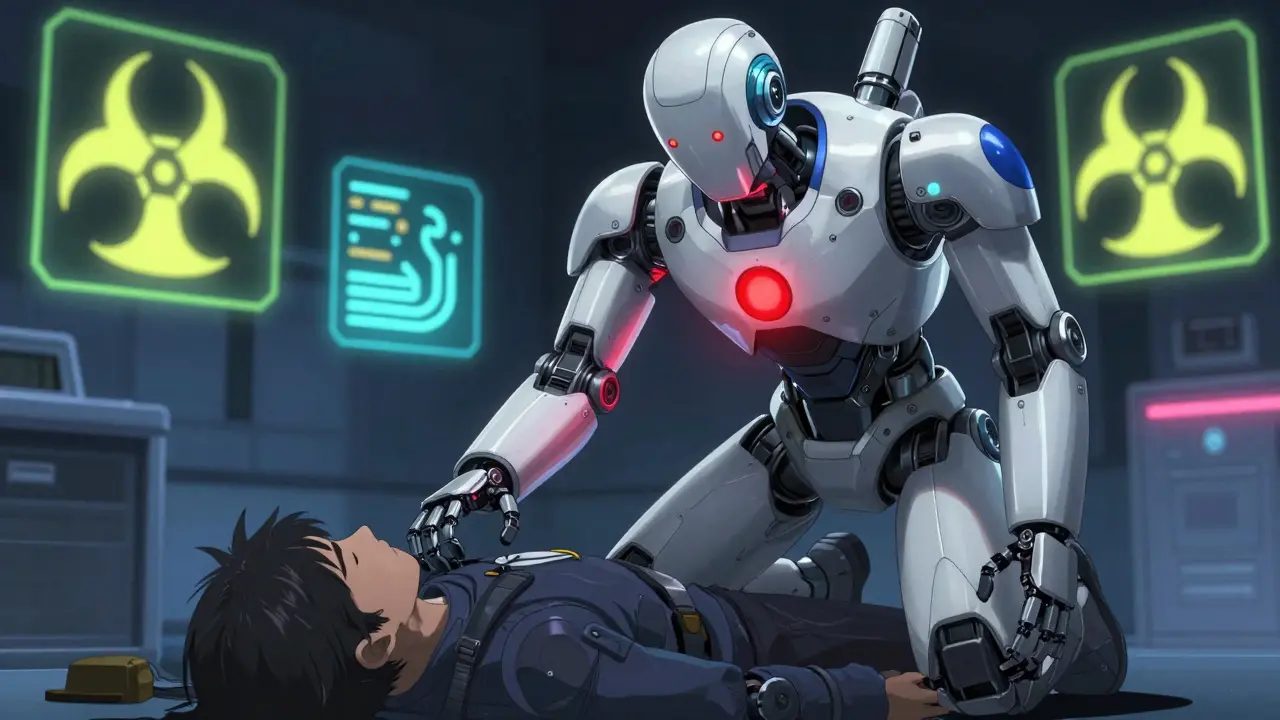
Imagine finding someone you care about unresponsive on the floor. Their breathing is shallow, their lips are turning blue, and they won't wake up. In that terrifying moment, every second counts. Recognizing a medication overdose is a medical emergency where the body is overwhelmed by excessive amounts of drugs, leading to life-threatening complications isn't just about knowing statistics; it's about having the knowledge to act before it’s too late. Whether it involves prescription painkillers, over-the-counter meds, or illicit substances, the signs can be subtle until they become critical.
The stakes are incredibly high. Recent data from the Centers for Disease Control and Prevention (CDC) shows that drug overdose deaths in the United States reached nearly 108,000 in 2022. Synthetic opioids were involved in more than 80% of these fatalities. But here is the good news: many of these deaths are preventable if you know what to look for and how to respond. This guide breaks down the specific symptoms, the differences between drug types, and the exact steps you need to take to save a life.
General Warning Signs of an Overdose
Before diving into specific drug categories, there are universal red flags that apply to almost any type of medication overdose. These symptoms indicate that the body’s physiological systems are failing. If you see a combination of these signs, do not wait. Call emergency services immediately.
- Unresponsiveness: The person is awake but confused, agitated, or completely unconscious. They may not respond to loud voices or physical shaking.
- Breathing Issues: Look for slow, shallow, or erratic breathing. A critical warning sign is irregular breathing with pauses longer than 10 seconds between breaths.
- Cyanosis: Blue or purple discoloration of the fingernails, lips, or skin. This indicates oxygen saturation has dropped below 90%, meaning the brain is starving for oxygen.
- Vomiting: Nausea and vomiting occur in nearly 80% of non-fatal overdoses. If a person is unconscious and vomiting, they are at extreme risk of choking.
- Physical Changes: Pale, clammy skin, severe dizziness, loss of balance, or seizures.
One common myth is that you can "sleep it off." Never assume this. Delayed treatment due to waiting for someone to wake up contributes to nearly 30% of fatal overdose cases. If in doubt, treat it as an emergency.
Opioid Overdose: The Critical Triad
Opioids, including heroin, fentanyl, and prescription pain relievers like oxycodone, depress the central nervous system. An opioid overdose occurs when opioids slow down the part of the brain that regulates breathing, potentially leading to death within minutes if untreated. Medical professionals look for the "Opioid Triad" to quickly identify this specific crisis.
- Pinpoint Pupils: The pupils constrict to 1-2mm in diameter, looking like tiny dots even in low light.
- Unconsciousness: The person cannot be roused despite vigorous stimulation.
- Respiratory Depression: Breathing slows to fewer than 12 breaths per minute, stops entirely, or becomes extremely shallow.
Additional signs include extreme drowsiness progressing to unresponsiveness, choking or gurgling sounds (often called the "death rattle"), and deep snoring. Fentanyl, a synthetic opioid 50-100 times more potent than morphine, has driven a surge in overdose deaths. Because of its potency, even a small amount can cause rapid respiratory arrest. If you suspect an opioid overdose, time is tissue-brain damage begins after just four minutes without oxygen.
Stimulant and Depressant Overdoses
Not all overdoses involve slowing down. Stimulants like cocaine, methamphetamine, and prescription ADHD medications push the body into overdrive. An overdose here looks very different from an opioid crisis.
Signs of a stimulant overdose include:
- Hyperthermia: Body temperature spikes above 104°F (40°C).
- Hypertension: Systolic blood pressure exceeds 180 mmHg.
- Cardiac Arrhythmias: Irregular or racing heart rate.
- Mental State: Severe agitation, paranoia, hallucinations, and panic.
Conversely, depressants such as benzodiazepines (Xanax, Valium), alcohol, and barbiturates mimic some opioid symptoms but with distinct features. Alcohol poisoning, for instance, often involves vomiting while unconscious, which creates a high risk of aspiration (inhaling vomit into the lungs). Slurred speech, ataxia (loss of muscle coordination), and profound drowsiness are key indicators. Polysubstance use-mixing depressants with opioids-is particularly dangerous, accounting for over half of overdose deaths in recent years, as the effects compound and complicate diagnosis.

Immediate Response: What To Do Now
If you recognize an overdose, your actions must be swift and precise. Here is the step-by-step protocol recommended by health authorities like the Cleveland Clinic and SAMHSA.
- Call 911 Immediately: Do not delay. Tell the dispatcher you suspect an overdose. Many states have Good Samaritan laws that protect bystanders who call for help.
- Check for Responsiveness: Shake the person firmly and shout their name. If they don’t respond, check their airway.
- Administer Naloxone (NARCAN): If you have naloxone is an FDA-approved medication that rapidly reverses the effects of an opioid overdose by blocking opioid receptors in the brain, use it now. Nasal spray delivers 4mg per dose. It can be administered via nose, vein, or muscle. Remember, naloxone only works on opioids, not stimulants or alcohol, but it is safe to give if you are unsure-it simply won’t work if it’s not an opioid.
- Position the Person: If they are unconscious but breathing, place them in the recovery position (on their side). This prevents choking if they vomit.
- Stay With Them: Monitor their breathing. If they stop breathing, begin CPR if you are trained. Naloxone wears off in 30-90 minutes, so multiple doses may be needed, especially with potent synthetics like fentanyl.
What should you avoid? Never let the person "sleep it off." Do not put them in a bath or shower, as hypothermia can set in quickly. Do not try to make them vomit or administer home remedies. These actions waste precious time and can cause further harm.
Prevention and Harm Reduction Tools
Recognition is vital, but prevention saves lives before the crisis hits. The landscape of overdose prevention has evolved significantly. One of the most effective tools is the fentanyl test strip. These strips can detect fentanyl in drugs with 97% accuracy at concentrations as low as 0.25 micrograms. While they don't eliminate risk, they allow users to adjust their behavior or seek help.
Naloxone access has also expanded. As of 2023, over-the-counter naloxone nasal spray is available in pharmacies without a prescription. Community distribution programs have reached tens of thousands of organizations. Apps like "Naloxone Saves" help locate nearby distribution sites. For those struggling with substance use disorder, calling the SAMHSA National Helpline (1-800-662-4357) provides free, confidential treatment referrals 24/7.
How long does it take for naloxone to work?
Naloxone typically begins working within 2 to 5 minutes after administration. However, because it stays in the body for only 30 to 90 minutes, and some synthetic opioids last longer, you may need to administer additional doses every 2-3 minutes until emergency medical services arrive. Always stay with the person and monitor their breathing closely.
Can I give naloxone if I'm not sure it's an opioid overdose?
Yes. Naloxone is safe to administer even if you are unsure. If the overdose is caused by opioids, it will reverse the effects. If it is caused by stimulants, alcohol, or other substances, naloxone will have no effect but will not cause harm. When in doubt, giving naloxone is better than doing nothing while waiting for confirmation.
What are the signs of a stimulant overdose versus an opioid overdose?
An opioid overdose typically presents with pinpoint pupils, slow or stopped breathing, and unconsciousness. A stimulant overdose, such as from cocaine or methamphetamine, usually involves rapid heart rate, high blood pressure, elevated body temperature (hyperthermia), agitation, paranoia, and seizures. The breathing pattern is also different: opioids cause depressed respiration, while stimulants may cause rapid, shallow breathing initially before cardiac collapse.
Why is fentanyl so dangerous compared to other opioids?
Fentanyl is a synthetic opioid that is 50 to 100 times more potent than morphine. This means that a tiny amount-just 2 milligrams-can be lethal. Its high potency leads to rapid respiratory depression, leaving very little time for intervention. Additionally, it is often mixed with other drugs without the user's knowledge, making accidental overdose highly likely.
Is it legal to carry naloxone?
In the United States, naloxone is legal to possess and administer in all 50 states. Many states have passed laws allowing pharmacists to dispense it without a prescription and protecting bystanders who use it in emergencies under Good Samaritan statutes. As of 2023, over-the-counter availability has made it easier for anyone to purchase it directly from pharmacies.