Respiratory Depression: Causes, Risks, and Medications That Can Trigger It
When your breathing slows too much, it’s called respiratory depression, a condition where breathing becomes too shallow or slow to supply enough oxygen to the body. Also known as hypoventilation, it’s not just a medical term—it’s a silent emergency that can happen to anyone taking certain drugs, even at prescribed doses.
Opioids, painkillers like oxycodone, hydrocodone, and fentanyl, are the most common cause. They calm the brain’s drive to breathe, and when mixed with other depressants, the risk spikes. Benzodiazepines, sleep and anxiety meds like diazepam or alprazolam, are especially dangerous when combined with opioids—this combo is behind many overdose deaths. Even sedatives, including some sleep aids and muscle relaxants, can push breathing into dangerous territory, especially in older adults or people with lung conditions.
It’s not always obvious. You might feel drowsy, but not realize your breaths are getting fewer and shallower. That’s why it’s so sneaky. People with sleep apnea, COPD, or kidney problems are more vulnerable. So are those taking multiple meds at once—like an opioid for pain plus a benzodiazepine for anxiety. The body doesn’t handle the combo well. And while overdoses get the headlines, respiratory depression can happen even when you’re following your prescription exactly.
You won’t find a single post here that says "avoid all painkillers." But you will find real, practical advice on how to spot early signs, which meds to question with your doctor, and how to reduce risk without giving up needed treatment. From understanding why certain antibiotics worsen the issue to learning how to monitor for changes in breathing patterns, these articles give you the tools to ask better questions and make smarter choices. Whether you’re managing chronic pain, treating anxiety, or helping an older relative stay safe, this collection is built for real-life situations—not theory.
- January
27
2026 - 5
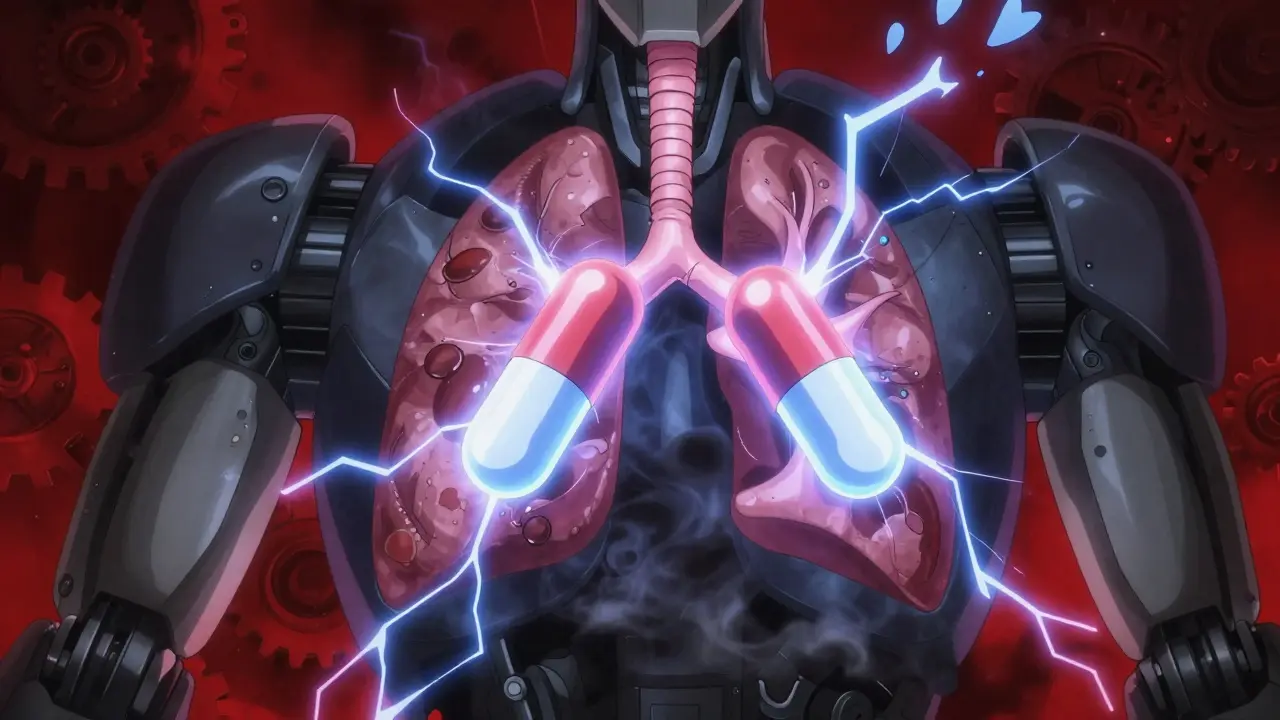
Opioids and Benzodiazepines: The Deadly Breathing Risk When Taken Together
Taking opioids and benzodiazepines together can stop your breathing and cause death-even at prescribed doses. Learn why this combination is deadly, who’s at risk, and what to do if you're taking both.
Read More- December
1
2025 - 5

High-Altitude Travel and Sedatives: What You Must Know About Respiratory Risks
High-altitude travel increases the risk of respiratory problems, especially when combined with sedatives. Alcohol, benzodiazepines, and opiates can dangerously suppress breathing at elevation. Learn which sleep aids are safe and what to avoid to prevent life-threatening oxygen drops.
Read More