
High Altitude Sedative Risk Calculator
Calculate Your Oxygen Risk at Altitude
Enter your altitude and sedative details to see estimated oxygen level changes and risk level.
Going high up in the mountains can be thrilling-clear air, breathtaking views, a sense of achievement. But if you’re planning to take a sedative to help you sleep at 8,000 feet or higher, you’re putting yourself at serious risk. It’s not just about feeling groggy the next day. At high altitude, your body is already fighting for oxygen. Adding a sedative can push your breathing so far down that your blood oxygen levels drop dangerously low. This isn’t speculation. It’s backed by decades of research and confirmed by medical organizations worldwide.
Why Your Body Struggles at High Altitude
At 2,700 meters (9,000 feet), the air has about 30% less oxygen than at sea level. Your body knows this. It tries to compensate by breathing faster and deeper-a natural response called the hypoxic ventilatory response. This is how you start to acclimatize. But this process is fragile. Around 75% of travelers experience irregular breathing patterns at night, called periodic breathing, where you breathe hard for a while, then pause briefly, then repeat. It’s uncomfortable, but it’s normal.
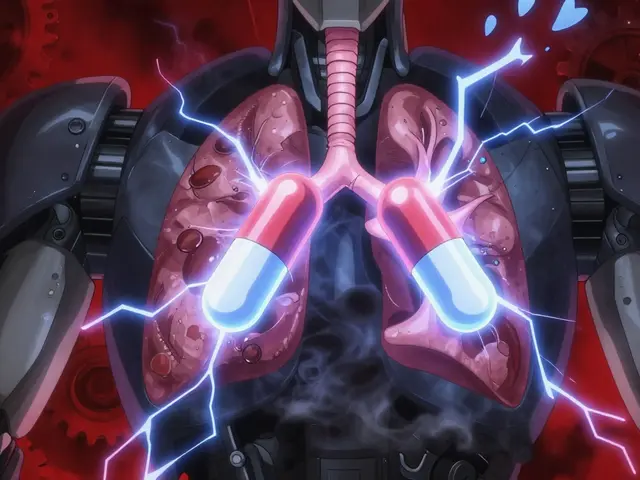
Now imagine that same system is hit with a drug that slows your breathing. That’s exactly what sedatives do. They don’t just make you drowsy-they suppress the brain’s drive to breathe, especially when oxygen is already low. The result? Your body can’t respond to the lack of oxygen. Your blood oxygen levels plunge. And that’s when things turn dangerous.
The Real Danger: Sedatives That Suppress Breathing
Not all sedatives are the same. But many common ones are outright risky at altitude. Alcohol, benzodiazepines, and opiates are the biggest concerns.
Alcohol is the most common mistake. A single beer or glass of wine at 3,500 meters can reduce your body’s ability to respond to low oxygen by 25%. A 1998 study found it drops your nighttime oxygen saturation by 5-10 percentage points. That’s enough to trigger or worsen acute mountain sickness-headache, nausea, dizziness, fatigue. One traveler on a climbing forum reported his symptoms went from mild to severe after just two beers at 3,500 meters.
Benzodiazepines like diazepam or lorazepam are even more dangerous. Studies show they can reduce ventilation by 15-30% at altitude. One user on SummitPost reported his oxygen saturation dropped from 88% to 76% after taking 0.5 mg of lorazepam at 4,200 meters. That’s a drop into the danger zone. At 4,500 meters, even therapeutic doses of opiates like codeine or oxycodone have been shown to push oxygen levels below 80%.
These aren’t rare cases. The CDC, Cleveland Clinic, Healthdirect Australia, and the Wilderness Medical Society all agree: avoid respiratory depressants at high altitude. The American Academy of Family Physicians says it plainly: “Sedative hypnotic drugs should be avoided.”
What About Sleep Aids? Are Any Safe?
If you can’t sleep, you’re not alone. Sleep disruption is the #1 complaint among high-altitude travelers. But you don’t need to suffer-or risk your health.
Acetazolamide (Diamox) is the gold standard. It’s not a sedative-it’s a diuretic that helps your body adjust faster by making your blood slightly more acidic, which tricks your brain into breathing more. Studies show it improves nighttime oxygen levels and reduces periodic breathing. The CDC recommends 125 mg twice daily if you’re ascending quickly.
What about melatonin? Small studies suggest 0.5-5 mg may help regulate sleep without suppressing breathing. While the CDC says it hasn’t been studied specifically for altitude, there’s no evidence it harms oxygen levels. Many travelers report success with it.
What about zolpidem (Ambien)? This is the tricky one. A 2017 study found that 5 mg of zolpidem caused only a 2.3% drop in oxygen saturation at 3,500 meters-much less than benzodiazepines. The CDC says it’s “generally safe and effective” if you allow at least 8 hours for the drug to wear off before doing anything physical. But even this isn’t risk-free. One Reddit user reported his SpO2 dropped to 79% after taking 5 mg at 4,000 meters. That’s below the threshold where supplemental oxygen is often recommended.
Bottom line: If you must use a sleep aid, melatonin is your safest bet. Acetazolamide helps both sleep and acclimatization. Zolpidem? Only if you’ve used it before, know how it affects you, and are willing to wait 8 hours before hiking or skiing.

What the Experts Say
Dr. Peter Hackett, director of the Institute for Altitude Medicine and author of the leading textbook on mountain sickness, says bluntly: “Any medication that depresses respiration is contraindicated above 2,500 meters.”
Dr. Andrew Luks, co-author of the Wilderness Medical Society’s guidelines, adds: “Sedatives that suppress the respiratory drive can worsen periodic breathing and trigger serious altitude illness.”
Dr. Paul Auerbach, editor of the definitive wilderness medicine reference, warns: “Benzodiazepines may worsen hypoxemia and should be avoided.”
These aren’t isolated opinions. Every major medical body agrees. The CDC’s 2024 Yellow Book, updated January 15, 2024, is crystal clear: avoid alcohol and opiates. The Cleveland Clinic’s 2023 update says: “Do not take sedatives or sleeping pills.” Healthdirect Australia’s June 2023 update says the same.
What Travelers Are Actually Doing
Despite the warnings, risky behavior is common. A 2023 survey by the International Society for Mountain Medicine found that 41% of high-altitude travelers drink alcohol during the first days of acclimatization. Eight percent admit to using prescription sedatives.
And the consequences are real. A survey of 1,247 trekkers found that 68% of those who drank alcohol during acclimatization reported worse symptoms of altitude sickness than those who didn’t. On travel forums, stories of oxygen drops, panic attacks at night, and hospital visits after taking lorazepam or diazepam are frequent.
Meanwhile, sales of portable pulse oximeters are rising fast. In 2023, 103,700 units were sold-up 22% from the year before. People are starting to monitor their oxygen levels. That’s a good sign. But knowing your SpO2 is only half the battle. If it’s below 85% at rest, you’re in danger. If it’s below 80%, you need to descend.

What You Should Do
Here’s what works:
- Give your body time. Don’t fly straight from sea level to 3,500 meters. Spend 24-48 hours at 2,500 meters before going higher.
- Avoid alcohol completely for the first 48 hours at altitude. Even small amounts slow your acclimatization.
- Don’t take benzodiazepines, opiates, or barbiturates. These are not worth the risk.
- Consider acetazolamide. It helps you adapt faster and improves sleep quality without suppressing breathing.
- If you need sleep help, try melatonin. 1-3 mg about an hour before bed.
- Carry a pulse oximeter. Know your baseline. If your SpO2 drops below 85% at rest, rest. Below 80%, descend.
- Consult a travel medicine specialist at least 4-6 weeks before your trip. They can help you plan medications and assess your personal risk.
There’s no shortcut to acclimatization. Your body needs time to make more red blood cells, adjust your breathing, and balance your blood chemistry. No pill can replace that. The only safe sedative for high altitude is the one your body makes naturally-when you give it the time and conditions it needs.
What to Do If You’ve Already Taken a Sedative
If you’ve taken alcohol, a sleeping pill, or pain medication and start feeling worse-headache, nausea, confusion, shortness of breath at rest-don’t wait. These are signs of acute mountain sickness. If you have a pulse oximeter and your oxygen is below 85%, treat it as an emergency. Stop ascending. Rest. Hydrate. If symptoms don’t improve in 6-12 hours, descend at least 500 meters. If you’re dizzy, confused, or coughing up frothy sputum, you may have high-altitude pulmonary edema (HAPE). That’s life-threatening. Descend immediately.
There’s no safe way to “push through” sedative use at altitude. The science is clear. The risks are real. The consequences can be fatal.
Can I take melatonin at high altitude?
Yes, melatonin is considered safe at high altitude. Small studies show it helps regulate sleep without suppressing breathing or lowering oxygen levels. Doses of 0.5-5 mg taken an hour before bed are commonly used by travelers. While the CDC hasn’t specifically studied it for altitude-related sleep issues, there’s no evidence of harm, and many users report improved sleep without side effects.
Is zolpidem (Ambien) safe for high-altitude travel?
Zolpidem 5 mg has been shown in studies to cause only a small drop in oxygen saturation (about 2.3%) at 3,500 meters, making it less risky than benzodiazepines. The CDC says it’s “generally safe and effective” if you allow at least 8 hours for the drug to wear off before any physical activity. But it’s not risk-free. Some users have reported oxygen levels dropping below 80% after taking it. Only use it if you’ve tried it before at sea level and know how it affects you.
Why is alcohol dangerous at high altitude?
Alcohol reduces your body’s natural response to low oxygen by about 25%, even at low blood alcohol levels (0.05%). It also causes dehydration and worsens sleep fragmentation. Studies show it drops nighttime oxygen saturation by 5-10 percentage points, increasing the risk of acute mountain sickness. One study found that 68% of travelers who drank alcohol during acclimatization reported worse symptoms than those who didn’t.
What sedatives should I avoid completely at high altitude?
Avoid alcohol, benzodiazepines (like diazepam, lorazepam, alprazolam), opiates (like codeine, oxycodone, morphine), and barbiturates. These all suppress the respiratory drive and can cause dangerous drops in blood oxygen. Even small doses can trigger severe altitude illness or life-threatening conditions like HAPE or HACE.
What’s the best way to improve sleep at high altitude?
The best approach is to let your body adjust naturally. Ascend slowly, stay hydrated, avoid caffeine after noon, and keep your sleeping area cool. If you need help, acetazolamide (125 mg twice daily) improves sleep and helps acclimatization. Melatonin (1-3 mg) is a safe alternative for sleep regulation. Avoid anything that makes you drowsy unless it’s been proven safe at altitude.
What’s Next for High-Altitude Travelers
The science isn’t changing-low oxygen at altitude is a fixed physiological challenge. But our tools are getting better. Pulse oximeters are more affordable and accessible than ever. Travel medicine specialists are more widely available. And new research is exploring safer sleep aids that don’t touch the respiratory system.
For now, the safest advice remains the same: don’t interfere with your body’s natural response to altitude. Your lungs know what to do. You just need to give them time, space, and the right conditions. Skip the sedatives. Trust your body. And the mountains will reward you-not with a pill, but with the real thing: clear air, deep breaths, and the quiet satisfaction of earning your altitude the right way.


John Biesecker
December 2, 2025 AT 00:41bro i took melatonin at 12k ft and just slept like a baby 🌙✨ no weird dreams, no gasping for air... just pure mountain zen. the body knows what it's doing if you stop messing with it. also, i bought a cheap oximeter on amazon for $30 and it saved my life. my sp02 dropped to 81% after one beer. yikes.
Doug Hawk
December 2, 2025 AT 10:36hypoxic ventilatory response is real but underdiscussed. most people think altitude sickness is just dehydration or exhaustion. nah. it’s a neurorespiratory mismatch. sedatives blunt the chemoreceptor response in the medulla. you’re not just sleepy-you’re physiologically disengaged from your own survival mechanism. acetazolamide works because it’s not a depressant-it’s a metabolic hack. zolpidem? maybe. but only if you’ve tested it at sea level. no first-time use above 3k meters. period.
Michael Campbell
December 3, 2025 AT 03:49the government and big pharma don’t want you to know this. they profit off your ignorance. alcohol? it’s a poison. melatonin? natural. but they’ll sell you Ambien because it’s more profitable. wake up. your lungs are smarter than your doctor’s prescription pad.
Victoria Graci
December 3, 2025 AT 11:22i used to think i was tough until i tried to climb with a glass of wine at 11k feet. woke up gasping like a fish on a dock. now i bring my melatonin like it’s holy water. and yes, i name my oximeter ‘breathe easy billy.’ it’s not a gadget-it’s my mountain guardian. the mountains don’t care how fit you are. they only care if you respect their silence. and silence means breathing. not drugging it.
Saravanan Sathyanandha
December 4, 2025 AT 19:50as someone from the Himalayas, i’ve seen too many foreign trekkers ignore these warnings. in our culture, we say ‘the mountain does not hurry, and neither should you.’ acetazolamide is widely used here under supervision, but alcohol and benzodiazepines? unthinkable. we drink ginger tea, rest, and let the body adapt. your body is not broken-it is adapting. don’t force it with chemicals. patience is the truest medicine.
alaa ismail
December 6, 2025 AT 19:46so i took zolpidem once at 10k ft. felt fine the next day. no big deal. maybe i’m just lucky? idk. but i’m not gonna risk it again. i’m gonna try melatonin next time. chill vibes only.
Eddy Kimani
December 8, 2025 AT 10:10the 2.3% drop in SpO2 with zolpidem is statistically insignificant in most controlled studies, but real-world variability is huge. individual metabolic differences, hydration status, and pre-existing hypoxia thresholds matter more than lab numbers. i’ve seen people with 92% SpO2 at sea level drop to 77% on 5mg zolpidem. that’s not a ‘minor’ drop-that’s a clinical emergency. don’t trust averages. trust your own data.
Chelsea Moore
December 9, 2025 AT 11:01THIS IS WHY PEOPLE DIE. YOU THINK YOU’RE ‘TOUGH’? YOU’RE NOT. YOU’RE A RECKLESS, SELF-DESTRUCTIVE IDIOT WHO THINKS A PILLS CAN OUTSMART EVOLUTION. I’VE READ THE STORIES. I’VE SEEN THE OXIMETER READINGS. I’VE HEARD THE PARENTS CRY. DON’T BE THAT PERSON. DON’T BE THE REASON YOUR FRIENDS HAVE TO MAKE A FUNERAL PLANNING POST. JUST… DON’T.
Genesis Rubi
December 11, 2025 AT 01:24if you’re not using prescription meds at altitude, you’re just a hippie with a sleeping bag. america built the pyramids with hard work, not herbal tea. if you can’t sleep, take the pill. if you die? well, that’s your problem. i’m not here to coddle your ‘natural’ nonsense.