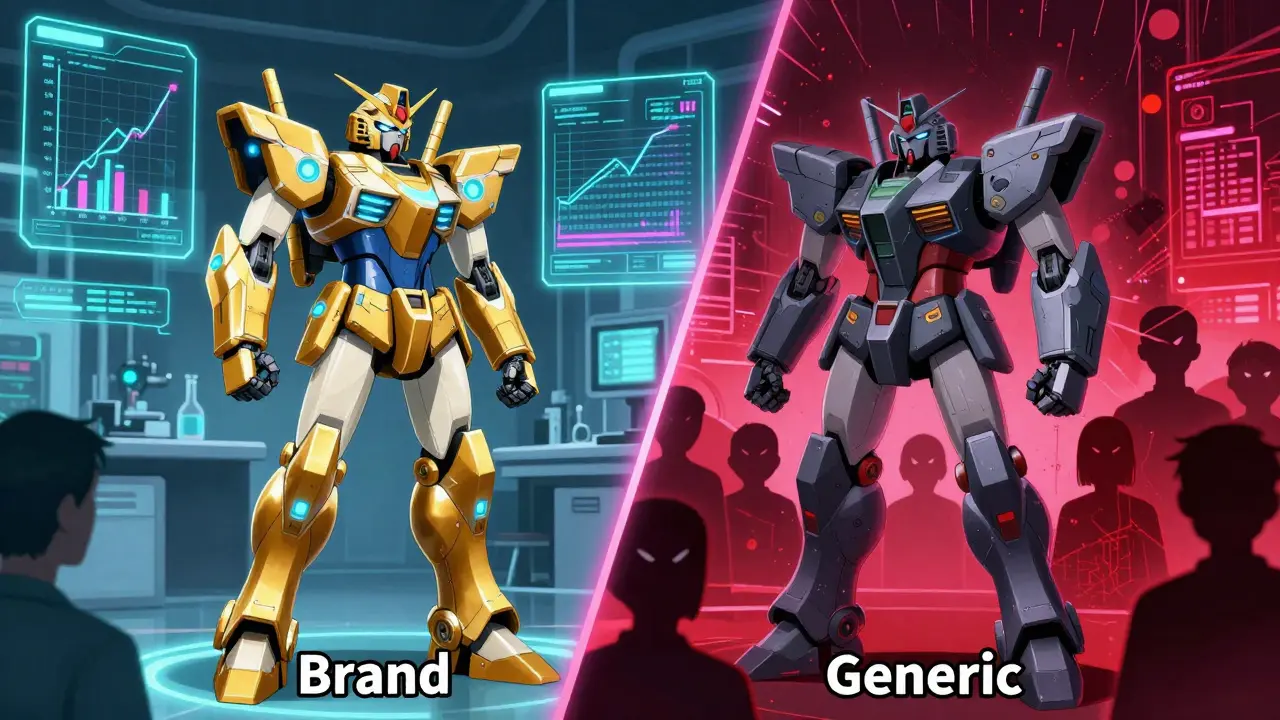
Imagine this: You’ve been taking a specific pill for your anxiety for years. It works. Your doctor switches you to the generic version because it saves you money. The active ingredient is exactly the same. But within two weeks, you’re back in their office complaining that it’s not working anymore.
This isn’t just a story about one person having a bad day. It’s a widespread phenomenon fueled by what we read on the internet. Online reviews are reshaping how patients view generic medications, which are pharmaceutical products containing the same active ingredients as brand-name drugs but sold without patent protection. While science says they are equivalent, patient stories say otherwise. This disconnect creates a massive gap between medical reality and consumer confidence, leading to lower medication adherence and higher healthcare costs.
The Science vs. The Story
To understand why this happens, we have to look at what generics actually are. Since the Hatch-Waxman Act of 1984, the path for approving these drugs has been rigorous. They must meet strict bioequivalence standards, meaning they deliver the same amount of active ingredient into your bloodstream over the same time period as the brand-name drug. Specifically, the generic must show a 90% confidence interval falling within 80-125% of the brand-name drug's pharmacokinetic profile.
For most drugs, this is more than enough to ensure they work identically. However, generics can differ in inactive ingredients-the fillers, dyes, and binders that hold the pill together. These differences change the color, shape, and sometimes even the taste of the medication. For the vast majority of people, this doesn't matter. But for a small subset of patients, or those with sensitive systems, these minor variations can feel significant.
Here is where the narrative splits. Medical data shows that generics account for approximately 90% of all prescriptions dispensed in the U.S., yet only 27.3% of patients report complete confidence in their effectiveness. Why? Because while doctors rely on clinical trials, patients rely on anecdotes. And when thousands of people share their negative experiences online, those anecdotes start to feel like facts.
How Social Media Amplifies Skepticism
We live in an era where health advice is often crowdsourced. Platforms like Reddit, PatientsLikeMe, and various Facebook groups have become virtual waiting rooms where patients swap stories. A machine learning analysis published in Frontiers (2024) scanned thousands of these posts and found a clear pattern. Misconceptions about generics being "cheap and poor copies" were the third strongest predictor of patients rejecting them.
Consider the sheer volume of negative sentiment. In a review of over 6,000 posts from 2020 to 2023, nearly half (47.3%) mentioned "different side effects," and almost a third (32.9%) claimed the drug was "not working as well." One user on r/chronicpain wrote, "My doctor switched me to generic Lyrica and within two weeks my nerve pain returned-I'm convinced the generics aren't made to the same standards."
These stories resonate because they are personal. When you see someone else describe your exact symptoms after switching pills, it validates your own fears. This creates a powerful feedback loop. The fear influences the perception, and the perception influences the outcome. This is known as the nocebo effect-the opposite of the placebo effect. If you believe a drug won't work, your brain may actually amplify pain or side effects, making the drug seem ineffective even if it is chemically identical to the brand.
| Aspect | Patient Perception (Based on Online Reviews) | Clinical Reality (FDA & Studies) |
|---|---|---|
| Effectiveness | Often seen as weaker or inconsistent | Bioequivalent; 80-125% pharmacokinetic match required |
| Side Effects | Frequently reported as "different" or worse | Active ingredient is identical; inactive ingredients vary |
| Cost Impact | "You get what you pay for" mentality | 80-85% cheaper than brand-name counterparts |
| Trust Level | Low; driven by anecdotal horror stories | High among regulators; 90% of US prescriptions are generic |

The Nocebo Effect: When Belief Becomes Biology
The danger of these online narratives isn't just that they annoy doctors. It’s that they physically impact health outcomes. A study in the European Journal of Public Health (2018) looked at patients taking tramadol hydrochloride, a painkiller. Some received the brand-name label, others the generic, but the pills were identical. Those who knew they were taking the generic had a 22.7% higher discontinuation rate. They also reported 15.6% higher pain levels.
This proves that the mind plays a huge role in how we experience medicine. If you expect the generic to fail, you are more likely to notice every twinge of pain and attribute it to the pill. This leads to non-adherence-stopping the medication entirely. Non-adherence is a massive problem. It costs the U.S. healthcare system an estimated $14.3 billion annually in avoidable complications and brand-name prescription demands.
Moreover, skepticism is not evenly distributed. Younger patients (18-34) tend to have more positive attitudes toward generics (68.2%), possibly because they are more cost-conscious and less attached to specific brands. Older patients (65+) are far more skeptical (only 41.7% positive), often due to long-term loyalty to brand names established decades ago. Education also plays a key role; higher education levels correlate strongly with accurate understanding of generic equivalence.
The Role of Healthcare Providers in Breaking the Cycle
If online reviews are fueling the fire, healthcare providers are the ones holding the water hose. Unfortunately, many are hesitant to engage. A PLOS ONE study (2020) found that 33.3% of patients were dissatisfied with the information they received from general practitioners regarding generic substitutions. Many doctors simply write the script and move on, assuming the pharmacist will handle questions.
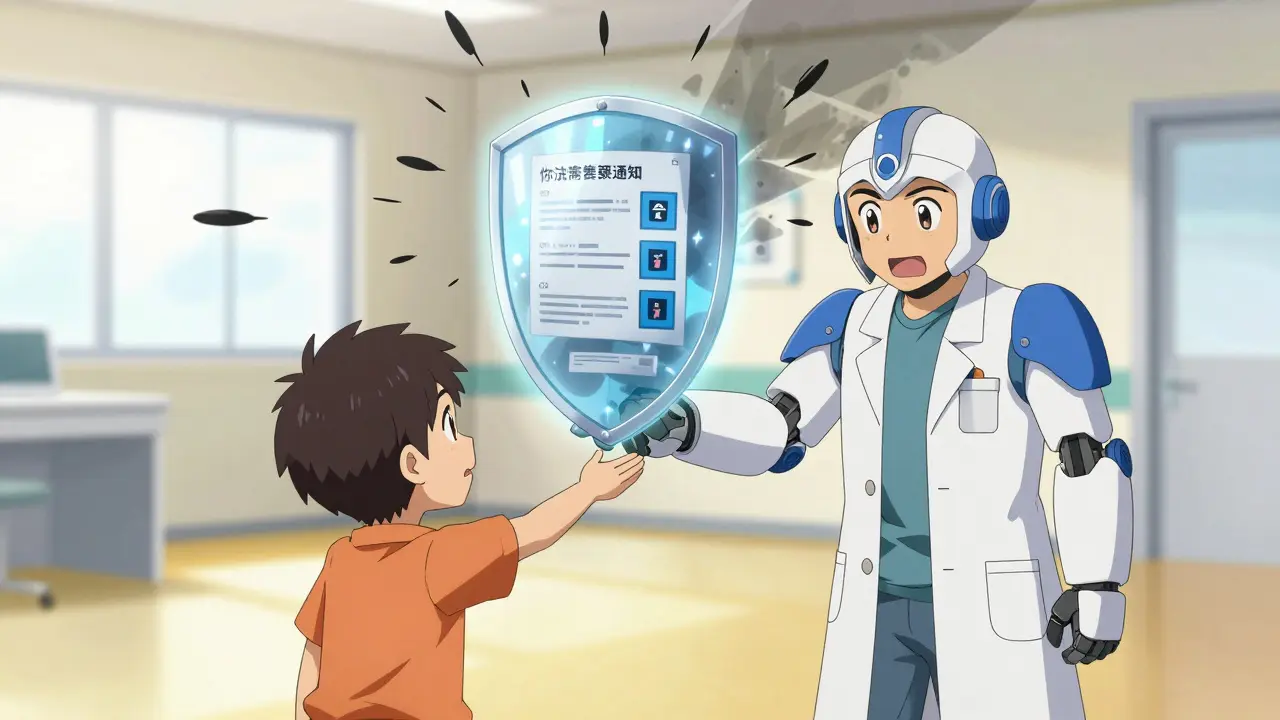
But silence is interpreted as agreement with the negative rumors. Dr. Aaron S. Kesselheim from Harvard Medical School noted that patient skepticism is often rooted in misinformation that could be addressed through targeted communication. When pharmacists take just 90-120 seconds to explain the rigorous FDA approval process, patient acceptance increases by nearly 40%. Simple phrases like, "This generic has passed the same safety tests as the brand," can dismantle the fear built up by Reddit threads.
Training matters too. A study in the Journal of Pharmacy Practice (2021) showed that after just four hours of specialized training, provider confidence in discussing generics improved by 63.2%. This confidence translates directly to patient trust. When a professional speaks with authority, it outweighs the anonymous voices on the internet.
Practical Steps for Patients and Providers
So, what can be done? We can’t delete the negative reviews, but we can change how we interpret them. Here are actionable steps for both sides of the prescription pad.
- For Patients: Before judging a generic based on a forum post, consider your own baseline. Keep a symptom diary for two weeks after switching. Are the side effects real, or are they heightened by anxiety? If you truly feel different, talk to your doctor rather than self-discontinuing. There may be a different generic manufacturer available that uses different inactive ingredients.
- For Providers: Don’t assume patients know the science. Use simple analogies. Explain that the "brand" is like a designer label on a shirt-the cotton might be the same, but the tag costs extra. Dedicate time to address concerns proactively, especially for high-cost chronic conditions.
- For Systems: Implement standardized handouts. Kaiser Permanente found that providing "Generic Medication Facts" sheets reduced patient inquiries by 52.3% and increased adherence by 18.6%. Written information serves as a reference point that counters fleeting online opinions.
The Future of Trust in Generics
The industry is starting to respond to these perception gaps. We are seeing a rise in "authorized generics," where brand-name companies sell their own unbranded versions. This strategy leverages the trust of the original brand while offering the price benefit of a generic. Prescriptions for authorized generics grew by 37.6% year-over-year in late 2023.
Technology is also stepping in. Blockchain-based supply chain verification, piloted by organizations like MediLedger, aims to provide transparent proof of a drug’s provenance. If patients can scan a code and see exactly where their generic pill came from and how it was tested, it may help rebuild the shattered trust. Additionally, the FDA has allocated millions specifically for consumer education campaigns under GDUFA III, aiming to shift the narrative from "cheap alternative" to "smart choice."
Ultimately, the goal isn't to silence patient experiences. Valid concerns about formulation differences should always be heard. But we must distinguish between individual variability and systemic failure. By combining scientific clarity with empathetic communication, we can close the gap between what the data says and what patients believe.
Are generic drugs really the same as brand-name drugs?
Yes, in terms of active ingredients and therapeutic effect. Generic medications must meet strict bioequivalence standards set by regulatory bodies like the FDA, ensuring they deliver the same amount of active ingredient into your bloodstream as the brand-name version. However, they may differ in inactive ingredients such as colors, flavors, or preservatives, which can occasionally affect tolerance in sensitive individuals.
Why do some online reviews say generics don't work?
Negative reviews often stem from the nocebo effect, where expecting a drug to fail causes patients to perceive negative outcomes. Additionally, some patients may be sensitive to changes in inactive ingredients (fillers or dyes) used by different manufacturers. While the active drug is the same, these minor physical differences can influence personal experience, leading to anecdotal reports of reduced effectiveness.
What is the nocebo effect in relation to generic medications?
The nocebo effect occurs when negative expectations lead to negative health outcomes. If a patient believes a generic drug is inferior due to online reviews or cost assumptions, they may unconsciously amplify symptoms or side effects. Studies have shown that patients labeled as taking generics sometimes report higher pain levels or discontinuation rates compared to those taking the identical pill labeled as a brand, purely due to psychological expectation.
Can I ask my doctor to stick with a specific generic manufacturer?
In many cases, yes. If you find that one generic brand works better for you than another, you can request that your pharmacy dispense that specific manufacturer. While insurance plans may prefer the cheapest option, many pharmacies can accommodate requests for a specific National Drug Code (NDC) if your doctor indicates "Dispense As Written" or provides a valid medical reason for the preference.
Do younger patients trust generics more than older patients?
Research suggests yes. Patients aged 18-34 show significantly higher positive attitudes toward generics (around 68%) compared to those aged 65+ (around 41%). This difference is often attributed to generational shifts in brand loyalty and greater cost-consciousness among younger demographics, who are more likely to prioritize affordability without sacrificing perceived quality.