
Hypertensive Crisis Risk & Washout Calculator
MAOIs are irreversible; your body must create new enzymes. This process takes approximately 14 days.
Critical Warning Signs
If a stimulant is taken too soon, watch for these red flags:
- ⚡ Thunderclap Headache
- ❤️ Racing Heart (Tachycardia)
- 🤢 Nausea & Vomiting
- 👁️ Blurred Vision/Confusion
Disclaimer: This tool is for educational purposes only. It does not provide medical advice. Always consult your physician before changing or starting medications. The 14-day rule is a general guideline and may vary by specific drug.
Imagine your blood pressure spiking so fast and so high that it becomes a medical emergency in minutes. For most people, a slight rise in pressure is a concern for the long term, but when ADHD stimulants and MAOIs (Monoamine Oxidase Inhibitors) meet in the same body, the result can be a "hypertensive crisis." This isn't just a bit of hypertension; we're talking about a dangerous surge that can lead to strokes or heart attacks if not treated immediately. While these medications are used to treat very different conditions, their interaction is one of the most serious warnings in psychiatric medicine.
To understand why this happens, we first need to look at the players. MAOIs are a class of antidepressants-like tranylcypromine and phenelzine-that stop an enzyme called monoamine oxidase from breaking down neurotransmitters. Think of the enzyme as a cleanup crew. When the crew is on strike, chemicals like norepinephrine and dopamine pile up in your system. On the other hand, ADHD stimulants, such as methylphenidate or amphetamine salts, act like a pump, pushing more of those same chemicals into the gaps between your brain cells.
The Perfect Storm: How the Crisis Happens
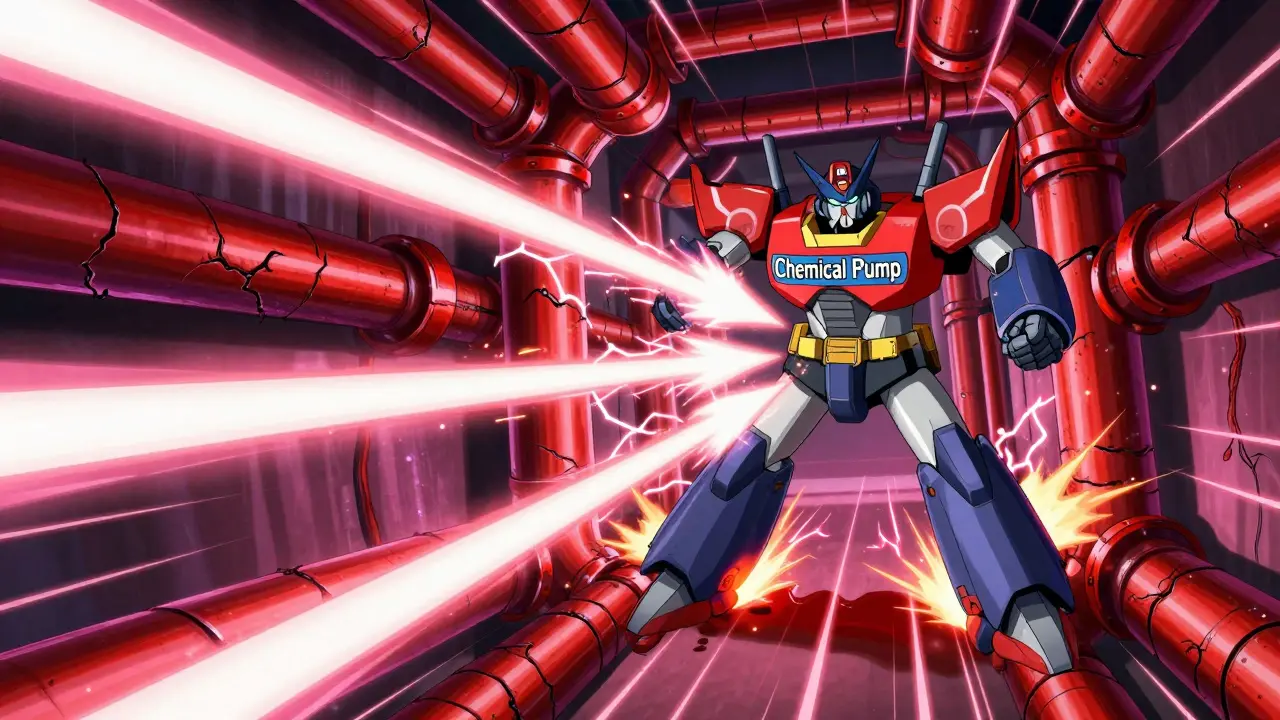
When you combine a "cleanup crew strike" (MAOIs) with a "chemical pump" (stimulants), you get a massive overflow of norepinephrine. This chemical is essentially the body's internal alarm system; it tells your blood vessels to tighten up and your heart to beat faster. In a normal scenario, your body can handle a bit of extra norepinephrine. But with an MAOI blocking the exit route, the concentration becomes extreme. This causes massive vasoconstriction-your blood vessels narrow so much that your heart has to push against incredible resistance.
The result is a hypertensive crisis, often defined as a systolic blood pressure reading over 180 mmHg or a diastolic reading over 110 mmHg. This is a critical state. The pressure can become so high that it causes hypertensive encephalopathy (brain swelling) or even an aortic dissection, where the main artery of the heart actually tears. It's a physiological chain reaction that turns two helpful medications into a dangerous cocktail.
Comparing the Risks: Not All Medications Are Equal
Not every stimulant or MAOI carries the exact same level of risk, though the general warning remains the same. For instance, amphetamines (like Adderall or Vyvanse) generally cause a more aggressive release of norepinephrine than methylphenidate (found in Ritalin). This makes the amphetamine class more likely to trigger a severe spike when paired with an MAOI.
On the MAOI side, the type of inhibitor matters. Traditional "irreversible" MAOIs create a long-term blockade of the enzyme. However, some newer options are more selective. For example, the transdermal selegiline patch (Emsam) at low doses (6 mg/24h) mostly targets MAO-B and doesn't interfere as much with the gut's ability to handle tyramine, which slightly alters the risk profile compared to older oral tablets.
| Medication Type | Risk Level | Primary Reason |
|---|---|---|
| Amphetamines (e.g., Adderall) | Very High | Strong norepinephrine release |
| Methylphenidates (e.g., Concerta) | High | Mainly dopaminergic, but still risky |
| Irreversible MAOIs (e.g., Phenelzine) | Very High | Total blockade of breakdown enzymes |
| Low-dose Selegiline Patch | Moderate/High | Selective inhibition, lower gut impact |
| RIMA (e.g., Moclobemide) | Lower | Reversible inhibition (temporary) |
The 14-Day Rule: Why Timing Is Everything
You might wonder why you can't just stop an MAOI on Monday and start a stimulant on Tuesday. The problem is that MAOIs are often "irreversible." They don't just sit on the enzyme; they effectively destroy it. Your body then has to manufacture entirely new enzymes from scratch to get the "cleanup crew" working again. This process takes time.
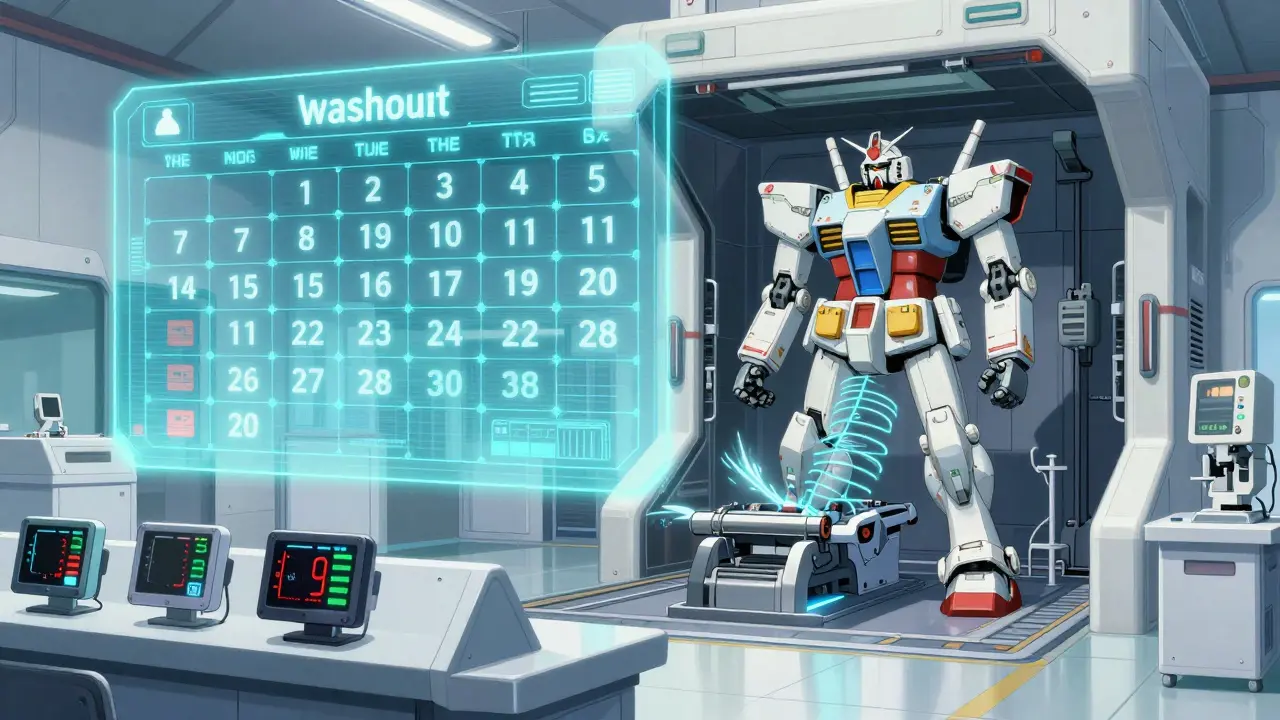
Medical guidelines mandate a minimum 14-day washout period. If you start a stimulant too early, you are still effectively under the influence of the MAOI because your enzyme levels haven't recovered. Ignoring this window is a recipe for disaster, as the stimulant will hit a system that still cannot metabolize the resulting surge of norepinephrine.
Is Combination Therapy Ever Possible?
If you look at the FDA black box warnings, the answer is a hard "no." For the vast majority of patients, the risk far outweighs any potential benefit. However, in highly specialized clinics treating refractory depression-cases where nothing else has worked-some doctors do use a cautious combination approach. This is not a standard practice and is only done under extreme monitoring.
In these rare cases, clinicians don't just jump into a standard dose. They might start a stimulant at 10% to 25% of the usual dose (for example, just 2.5 mg of dextroamphetamine) and check blood pressure every 15 to 30 minutes during the initial phase. Patients are often required to use home blood pressure monitors and strictly avoid tyramine-rich foods, such as aged cheeses and cured meats, which can also trigger blood pressure spikes when you're on an MAOI.
Warning Signs and Immediate Actions
Knowing the signs of a hypertensive crisis can be the difference between a quick recovery and a permanent injury. Because these reactions can happen quickly, you need to recognize the red flags immediately. Common symptoms include:
- A sudden, severe "thunderclap" headache
- Nausea and vomiting
- Chest pain or a racing heart (tachycardia)
- Blurred vision or sudden confusion
- Shortness of breath
If these symptoms appear after taking a stimulant while on or recently off an MAOI, this is a medical emergency. Do not wait for the symptoms to "pass." Immediate intervention with antihypertensive medications in a hospital setting is required to bring the pressure down safely without causing a secondary stroke.
Why are aged cheeses dangerous when taking MAOIs?
Aged cheeses contain high levels of tyramine, a naturally occurring amino acid. Normally, the MAO enzyme in your gut breaks tyramine down. Since MAOIs block this enzyme, tyramine enters your bloodstream and triggers a massive release of norepinephrine, which spikes your blood pressure. This is known as the "cheese effect."
Can I take a stimulant if I stopped my MAOI two weeks ago?
Generally, a 14-day washout period is the standard safety window to allow your body to regenerate the monoamine oxidase enzymes. However, you must confirm this with your prescribing doctor, as some medications have different half-lives or effects on the enzyme system.
Is methylphenidate safer than Adderall in this situation?
While methylphenidate generally has a slightly lower impact on norepinephrine release compared to amphetamines, it is still strictly contraindicated with MAOIs. The risk of a hypertensive crisis remains significant regardless of the specific stimulant used.
What is the difference between a hypertensive urgency and a crisis?
Hypertensive urgency is a severe increase in blood pressure without immediate organ damage. A hypertensive crisis (or emergency) occurs when the blood pressure is high enough to cause acute damage to organs, such as the brain (stroke), heart (heart attack), or kidneys.
Does the Selegiline patch remove all the risks?
No. While the transdermal selegiline patch at low doses (6 mg/24h) reduces dietary restrictions because it bypasses much of the gut's MAO-A inhibition, combining it with a potent stimulant still carries a theoretical and clinical risk of blood pressure elevation.


Shaylia Helland
April 16, 2026 AT 08:37i've always felt like the way we approach psych meds is so rigid and honestly just a bit scary when you think about the biology of it all just imagine your heart trying to pump against a wall of your own tightened vessels because of a chemical mistake it's kind of a wild way to experience the human body and i hope anyone struggling with these choices finds a doctor who actually listens to them instead of just reciting a manual
Haley Moore
April 17, 2026 AT 10:08Ugh, imagine actually being surprised by this basic pharmacology 🙄 Like, it's literally Pharma 101. I barely even read the whole thing because it's so obvious that mixing stimulants and MAOIs is a disaster waiting to happen. Boring! 💅
john chiong
April 18, 2026 AT 20:15absolute madness that some people still try to shortcut the 14 day rule just because they want a quick fix for their focus it's a total slap in the face to common sense and basic survival instincts honestly just reckless and plain stupid
Clare Elizabeth
April 20, 2026 AT 15:02so glad this info is out there because it can literally save lives!! stay safe everyone and keep chatting with your docs about the best paths forward you got this
Olivia Lo
April 20, 2026 AT 20:08The pharmacological synergy here is essentially a failure of homeostatic regulation. When you inhibit the oxidative degradation of catecholamines via MAOIs, you're effectively altering the synaptic baseline. Introducing a sympathomimetic agent like an amphetamine creates a supra-physiological surge of norepinephrine, leading to acute vasoconstriction and a precipitous rise in systemic vascular resistance. This isn't merely a side effect but a catastrophic systemic failure of the autonomic nervous system's ability to modulate blood pressure, illustrating the precarious balance of neurochemical equilibrium in the prefrontal cortex and peripheral vasculature.
Catherine Mailum
April 21, 2026 AT 11:55oh wow so we just ignore the fact that some doctors actually try this "specialized" combination therapy in the post like that's so brave of them to gamble with a patient's aortic artery just to see if they can focus a bit better lol. truly peak medicine right there
Princess Busaco
April 22, 2026 AT 00:22I find it absolutely quaint that people think a "14-day rule" is some sort of magic shield when the biological individuality of the human endocrine system is far more complex than a simple calendar countdown. The arrogance of standardized medical windows is just staggering, and frankly, the way this post simplifies the risk levels into a little table is almost insulting to anyone who has actually spent time studying the nuances of neurotransmitter reuptake and the chaotic nature of how these drugs interact in a real, living, breathing person who isn't a laboratory rat, yet here we are pretending that a table provides a comprehensive safety guide for something as volatile as a hypertensive crisis.
Clint Humphreys
April 23, 2026 AT 06:41It is quite interesting how the medical establishment frames this as a "risk" when in reality it's a predictable outcome of a system designed to keep us over-medicated on things we don't fully understand, and while I'm sure the authors of these guidelines are very friendly and well-meaning, one has to wonder why these interactions weren't common knowledge decades ago before the massive push for ADHD prescriptions in the 90s. I've spent a lot of time analyzing the trends in psychiatric prescriptions and the correlation between the rise of stimulants and the obscurement of MAOI risks is just too convenient for the profit margins of the big labs, even if we maintain a polite discourse about it.
Rim Linda
April 23, 2026 AT 22:17OMG a thunderclap headache sounds absolutely terrifying!! 😱 I can't even imagine the panic of that happening! 😭
melissa mac
April 25, 2026 AT 13:02It's really important for everyone to feel supported when navigating these complex med changes. If you're feeling overwhelmed by these warnings, just remember that your healthcare provider is there to help you transition safely and there are always alternative paths to wellness that don't carry these specific risks.