Hydroxyzine QT Prolongation Risk Calculator
Risk Assessment Tool
This tool helps you understand your risk of QT prolongation when taking hydroxyzine based on your medical factors. Please provide the following information:
Hydroxyzine has been around for decades - prescribed for anxiety, itching, nausea, and even to help people sleep. For many, it felt like a safe, go-to option. But in recent years, something changed. Doctors and regulators started sounding alarms: hydroxyzine can mess with your heart’s electrical system. Specifically, it can prolong the QT interval - a measure of how long your heart takes to recharge between beats. And when that interval gets too long, it can trigger a dangerous, sometimes deadly, heart rhythm called Torsade de Pointes.
What Exactly Is QT Prolongation?
Your heart doesn’t just beat randomly. It follows a precise electrical pattern. The QT interval on an ECG shows how long it takes for the heart’s lower chambers (ventricles) to recover after each beat. If this recovery time stretches too far, the heart can get confused and start beating erratically. That’s QT prolongation. It’s not always dangerous. But in some people - especially when combined with other factors - it can spiral into Torsade de Pointes. This isn’t just a flutter. It’s a life-threatening arrhythmia that can lead to fainting, seizures, or sudden cardiac death.How Does Hydroxyzine Cause This?
Hydroxyzine blocks histamine receptors - that’s why it helps with allergies and itching. But it also blocks something else: potassium channels in the heart, specifically the hERG channel. This channel helps the heart reset after each beat. When hydroxyzine blocks it, the heart takes longer to recover. That’s what stretches the QT interval. Studies show this effect kicks in at therapeutic doses. It’s not just a rare fluke. It’s built into the drug’s chemistry. The European Medicines Agency (EMA) confirmed this in 2015 after reviewing decades of data. They found 59 clear cases linking hydroxyzine to QT prolongation or Torsade de Pointes. Some happened within 10 minutes of taking the first dose. Others showed up weeks later. The risk isn’t random - it’s dose-dependent and personal.Who’s at Highest Risk?
Not everyone who takes hydroxyzine will have problems. But certain people are walking into a minefield. Here’s who needs to be extra careful:- People over 65 - metabolism slows down, so the drug builds up.
- Those with low potassium or magnesium - common in people on diuretics, with kidney disease, or eating poorly.
- Anyone already on another QT-prolonging drug - like certain antibiotics, antidepressants, or antiarrhythmics.
- People with a history of heart disease, slow heart rate (bradycardia), or inherited long QT syndrome.
- Patients on high doses - anything over 50 mg daily for older adults, or over 100 mg for younger adults.
How Does Hydroxyzine Compare to Other Antihistamines?
Not all antihistamines are created equal. Second-generation ones - like cetirizine, loratadine, and fexofenadine - barely touch the heart. They’re designed to stay out of the brain and heart. That’s why they’re called non-sedating. Hydroxyzine? It’s a first-generation antihistamine. It crosses the blood-brain barrier (that’s why it causes drowsiness) - and it also slips into heart cells. Compared to diphenhydramine (Benadryl), hydroxyzine has a slightly higher risk of QT prolongation. Both are risky. But compared to newer options, hydroxyzine is in a different league. The EMA’s 2015 review specifically called out hydroxyzine for its strong hERG-blocking effect. Even among sedating antihistamines, it stands out as one of the riskiest.
What Are the Current Safety Guidelines?
Since the 2015 EMA review, rules changed. Here’s what’s now recommended:- Maximum daily dose: 100 mg for adults under 65.
- Maximum daily dose: 50 mg for adults over 65.
- Never use in patients with QTc >500 ms.
- Don’t combine with other drugs that prolong QT - check the CredibleMeds database.
- Check electrolytes: potassium above 4.0 mmol/L, magnesium above 1.8 mg/dL.
- Get a baseline ECG before starting, especially if you’re over 60 or have heart disease.
Why Is This Still Being Prescribed?
It’s a paradox. Hydroxyzine is cheap, widely available, and works fast for anxiety and itching. Many doctors still think of it as harmless. But the data doesn’t lie. Between 2014 and 2022, U.S. prescriptions dropped from 18.3 million to 12.7 million - a 30% decline. That’s because awareness grew. The American Geriatrics Society now lists hydroxyzine as a “potentially inappropriate medication” for older adults. The Beers Criteria explicitly warn against it in seniors due to cardiac risk. But it hasn’t disappeared. Dermatologists still use it for chronic itching. Psychiatrists sometimes prescribe it for short-term anxiety. The problem? It’s often used for months or years - not just a few days. That’s where accumulation and risk spike.What Should You Do If You’re Taking Hydroxyzine?
If you’re on hydroxyzine, don’t stop cold turkey. Talk to your doctor. Ask these questions:- Am I on a safe dose? (Under 50 mg if over 65?)
- Have I had an ECG in the last year?
- Am I taking any other drugs that affect the heart’s rhythm?
- Do I have low potassium, low magnesium, or a history of fainting?
Are There Better Alternatives?
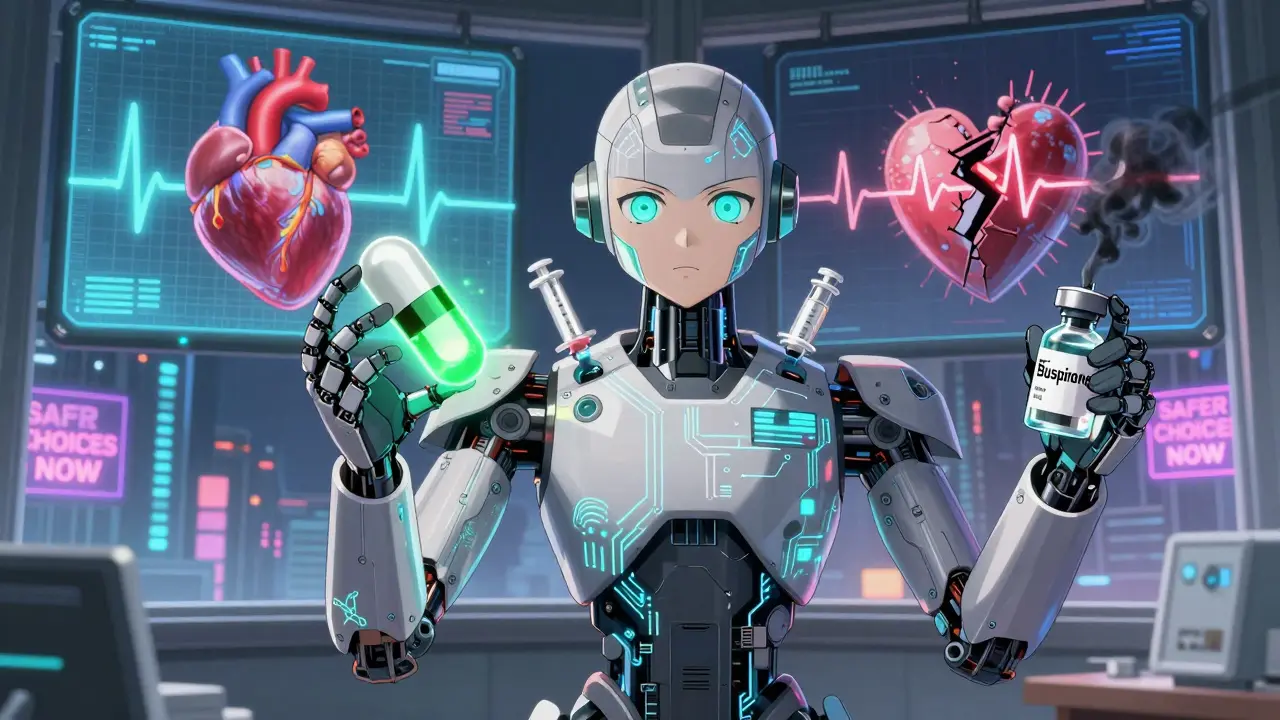
Yes. And they’re safer.- For anxiety: Buspirone, SSRIs like sertraline, or short-term benzodiazepines (used carefully).
- For itching: Cetirizine or loratadine (non-sedating, no QT risk), or topical corticosteroids.
- For sleep: Melatonin, cognitive behavioral therapy for insomnia (CBT-I), or low-dose mirtazapine (which has its own risks but lower than hydroxyzine).
- For pruritus in kidney disease: Gabapentin - prescriptions for this jumped 62% between 2015 and 2022 as doctors moved away from hydroxyzine.
What’s Changing Now?
Research is moving fast. A 2023 study found people with a genetic variation called CYP2D6 poor metabolizer status are over three times more likely to develop QT prolongation on hydroxyzine. That means your genes might make you more vulnerable - even at low doses. A 2024 clinical trial is testing whether routine ECG monitoring during hydroxyzine use reduces cardiac events. Early results are promising. And there’s hope on the horizon: a new drug called VH-01 is in early trials. It’s designed to keep hydroxyzine’s anti-itch and anti-anxiety effects but with 87% less hERG blockade. If it works, it could bring back the benefits without the risk.The Bottom Line
Hydroxyzine isn’t banned. It’s not poison. But it’s no longer a “safe sedative.” It’s a drug with a known, measurable, and preventable cardiac risk. The era of prescribing it casually - especially to older adults or people with other health issues - is over. If you’re taking it, ask for a cardiac risk check. If you’re a provider, don’t just write the script. Screen for risk. Check the ECG. Review the meds. Your patient’s heart might depend on it.Can hydroxyzine cause sudden cardiac arrest?
Yes, in rare cases. Hydroxyzine can trigger Torsade de Pointes, a type of dangerous heart rhythm that can lead to sudden cardiac arrest if not treated immediately. This risk is small but real - especially in people with existing heart conditions, electrolyte imbalances, or those taking other QT-prolonging drugs. Most cases occur in patients with multiple risk factors, not in healthy individuals on low doses.
Is hydroxyzine safe for elderly patients?
It’s generally not recommended. The European Medicines Agency and American Geriatrics Society both warn against hydroxyzine in adults over 65. Older adults metabolize the drug slower, increasing the risk of accumulation and QT prolongation. If absolutely necessary, the maximum dose should be capped at 50 mg per day, and an ECG should be checked first. Safer alternatives like buspirone or low-dose mirtazapine are preferred.
How long does it take for hydroxyzine to affect the heart?
QT prolongation can happen quickly - as soon as 10 minutes after taking a dose - or it can build up over days or weeks. Most documented cases of Torsade de Pointes occurred within the first 20 days of starting hydroxyzine. This unpredictability makes it dangerous. Even if you’ve taken it before without issues, your body’s response can change due to new medications, aging, or electrolyte shifts.
Should I get an ECG before taking hydroxyzine?
Yes, if you’re over 60, have heart disease, take other medications, or have a history of fainting or irregular heartbeat. A baseline ECG measures your QTc interval. If it’s over 450 ms (men) or 470 ms (women), hydroxyzine should be avoided. Many clinics now require this before prescribing. It’s a simple, non-invasive test that can prevent a life-threatening event.
What are the signs hydroxyzine is affecting my heart?
Watch for dizziness, lightheadedness, palpitations (racing or fluttering heart), fainting, or unexplained fatigue - especially within hours of taking a dose. These aren’t just side effects; they could be early signs of arrhythmia. If you experience any of these, stop the drug and seek medical help immediately. Don’t wait. Cardiac events from hydroxyzine can escalate fast.
Is hydroxyzine still used in hospitals?
Yes, but much more cautiously. Hospitals now use electronic alerts to block hydroxyzine orders if patients have risk factors. It’s still used for procedural anxiety or short-term itching in low-risk patients, but only after checking ECG, electrolytes, and drug interactions. Many institutions have switched to alternatives like lorazepam or gabapentin for safer outcomes.

Kelly Beck
January 7, 2026 AT 01:24Okay but can we just talk about how wild it is that we’re still prescribing this like it’s 2005? 😅 I had my grandma on hydroxyzine for years for ‘sleep’ - turns out she was one heartbeat away from a cardiac event. She didn’t even know what an ECG was. Now she’s on melatonin and actually sleeps better without feeling like a zombie. Please, if you’re over 60 and still taking this, go get a baseline ECG. Your heart didn’t sign up for this. 💓
Molly McLane
January 8, 2026 AT 13:59This is such an important post. I’m a nurse in a geriatric clinic and I’ve seen too many patients on hydroxyzine for months - sometimes years - with zero monitoring. We’ve started requiring ECGs before prescribing it, and honestly? The number of cases we’ve caught early has dropped by half. It’s not about scaring people. It’s about giving them real info. If your doctor prescribes this without checking electrolytes or meds, ask why. You deserve safer options.
Katie Schoen
January 9, 2026 AT 12:24So hydroxyzine is basically the ‘vintage iPhone’ of anxiety meds - still works, kinda charming, but also gonna die on you at the worst possible moment 🤦♀️. I get it, it’s cheap and fast. But so is driving a 1998 Corolla with no airbags. We’ve got newer models now. Why are we still road-tripping with the old one? Also, ‘non-sedating’ antihistamines are literally a thing. Use them. Your heart will thank you. 🙏
Beth Templeton
January 10, 2026 AT 00:57Stop prescribing it. Done.
Tiffany Adjei - Opong
January 11, 2026 AT 01:03Interesting how everyone’s acting like this is some new discovery. I’ve been telling my docs for years that hydroxyzine is a ticking time bomb. But nope - ‘it’s been used for decades’ is still the golden excuse. Meanwhile, people are dropping dead because someone thought ‘it’s just an antihistamine.’ The real tragedy? It’s preventable. And yet here we are. Guess capitalism wins again - cheaper drug, more prescriptions, less liability. 🤷♀️
Isaac Jules
January 11, 2026 AT 05:28You people are being dramatic. 59 cases in decades? That’s less than 2 per year. Meanwhile, people die from Tylenol overdoses every week. You’re acting like this drug is a serial killer. Hydroxyzine is NOT the enemy. It’s the lazy docs and the paranoid patients who don’t take responsibility. If you’re on 10 other meds and low on potassium - that’s your fault. Don’t blame the drug. Blame yourself. 💪
Indra Triawan
January 12, 2026 AT 11:38Isn’t it ironic? We seek comfort in chemicals - to sleep, to calm, to numb - yet the very things that soothe us are the ones that steal our breath. Hydroxyzine is not evil. It is a mirror. It reflects our collective exhaustion. We’ve outsourced healing to pills because we’ve forgotten how to breathe, how to sit with silence, how to let the body heal itself. The heart doesn’t lie. It sings in rhythms we no longer listen to. 🌌
Lily Lilyy
January 14, 2026 AT 11:33Thank you for sharing this important message with so much care and clarity! 💕 Every person deserves to feel safe and healthy, and this post helps us make better choices for our hearts and our families. Let’s choose kindness, science, and safety over old habits. You are helping so many people - keep shining your light! 🌞❤️
Susan Arlene
January 15, 2026 AT 04:08bro i took hydroxyzine for like 3 years for anxiety and never had an issue… but then i started taking cipro and got dizzy as hell. turned out my qt was stretched out. now i just do yoga and drink chamomile tea. sometimes the fix isnt a pill, its just… stopping. 🤷♀️
Joann Absi
January 16, 2026 AT 16:18AMERICA IS BEING POISONED BY BIG PHARMA AND LAZY DOCTORS. 🇺🇸💥 Hydroxyzine is a tool of the medical-industrial complex to keep seniors docile while they profit off heart attacks. They don’t care if you die - they care if you refill. This isn’t medicine. It’s exploitation. And if you’re still taking it, you’re part of the problem. Wake up. 💔🔥
Mukesh Pareek
January 17, 2026 AT 14:16From a pharmacokinetic standpoint, the hERG channel blockade by hydroxyzine exhibits non-linear concentration-dependent inhibition, with a half-maximal inhibitory concentration (IC50) of approximately 1.2 µM - well within therapeutic plasma concentrations (0.5–2.0 µM). The risk stratification model must account for CYP2D6 polymorphism, concomitant CYP3A4 inhibitors, and baseline QTc prolongation. Without ECG monitoring and therapeutic drug monitoring, this represents a Class I pharmacovigilance failure. Recommend immediate substitution with non-hERG-binding alternatives such as buspirone or low-dose mirtazapine with QTc surveillance.