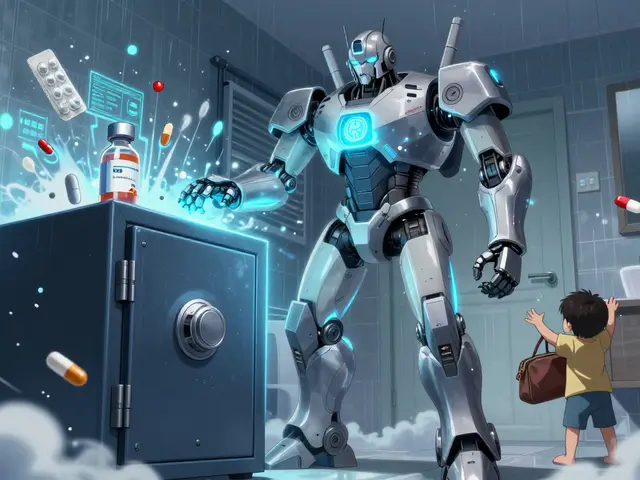
Most people keep their pills in the bathroom cabinet. It’s convenient, right? You’re there after brushing your teeth or washing up. But that humid environment is actually one of the worst places for your health essentials. More importantly, an unlocked cabinet is a playground for curious toddlers and a target for teens looking to misuse substances. Keeping your medications safe isn’t just about organization; it’s about preventing accidental poisoning and ensuring your drugs work when you need them.
The numbers are stark. According to the Centers for Disease Control and Prevention (CDC), around 60,000 children under the age of five visit emergency rooms every year because they accessed unsupervised medications. That’s not a small statistic. It’s a daily reality for many families. Whether you have young kids, teenagers, elderly parents with dementia, or just want to protect your privacy, knowing where-and how-to store your meds is critical.
The Golden Rule: Lock It Up
If you take only one thing away from this guide, let it be this: store your medications in a locked container. Child-resistant caps on bottles are helpful, but they are not foolproof. The Poison Prevention Packaging Act requires these caps, yet studies show that by age five, half of all children can open them. They are designed to slow down a toddler, not stop a determined teen or a clever older child.
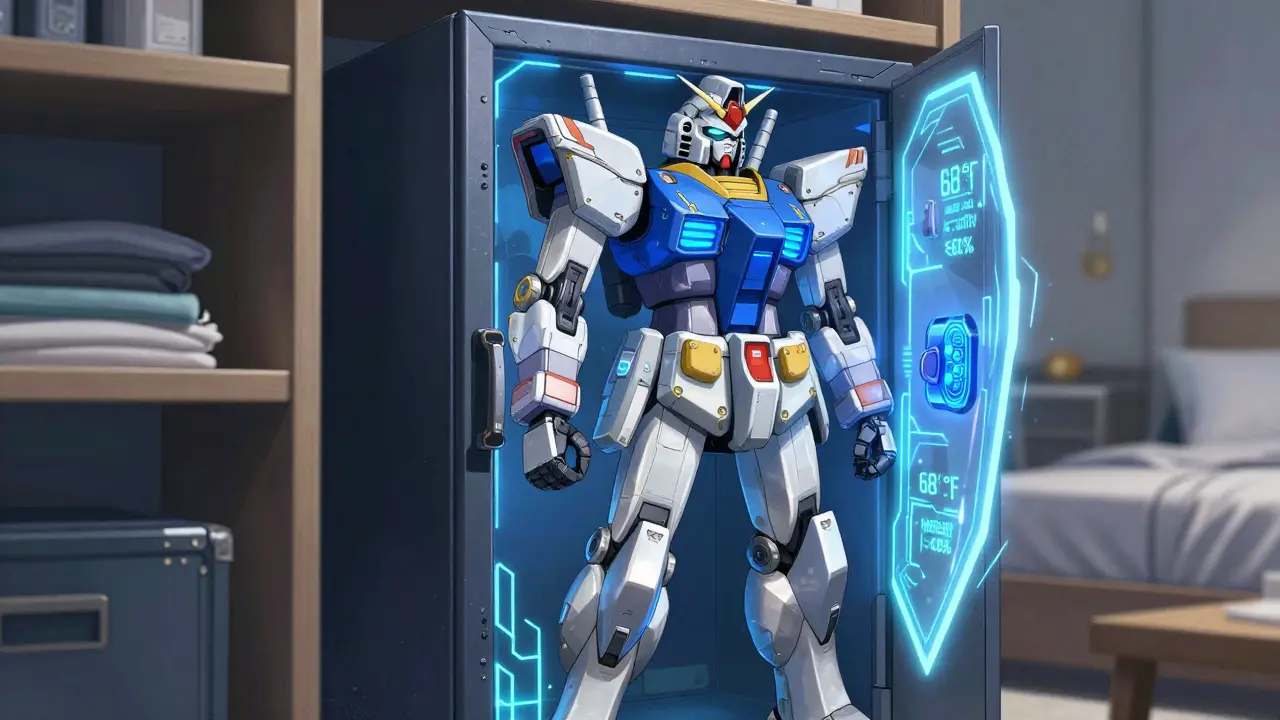
A locked box, cabinet, or safe is the gold standard recommended by experts like the EPA and the FDA. Dr. Susan Whittier from Columbia University Irving Medical Center notes that unlocked cabinets increase the risk of pediatric poisoning by 300% compared to locked storage. You don’t need a bank vault. A simple medicine safe costs between $20 and $150 and can be screwed into a wall or placed inside a closet. If you already own a gun safe or a fireproof document box, use it. Just make sure it’s out of sight and inaccessible to anyone who shouldn’t be handling those drugs.
- Medicine Safes: Look for models that require a combination code or biometric fingerprint scan. These offer high security and peace of mind.
- Locking Cabinets: Installable over-the-door locks or standalone locking boxes work well for smaller quantities.
- Existing Safes: Repurposing a jewelry box with a lock or a small fireproof safe is a cost-effective solution.
Remember, convenience should never override safety. Put the meds back in the lock immediately after taking them. Leaving a bottle on the counter while you answer the phone is a common mistake. Data shows that 42% of pediatric poisonings happen in that brief window when meds are left accessible post-administration.
Why the Bathroom Is a Bad Idea
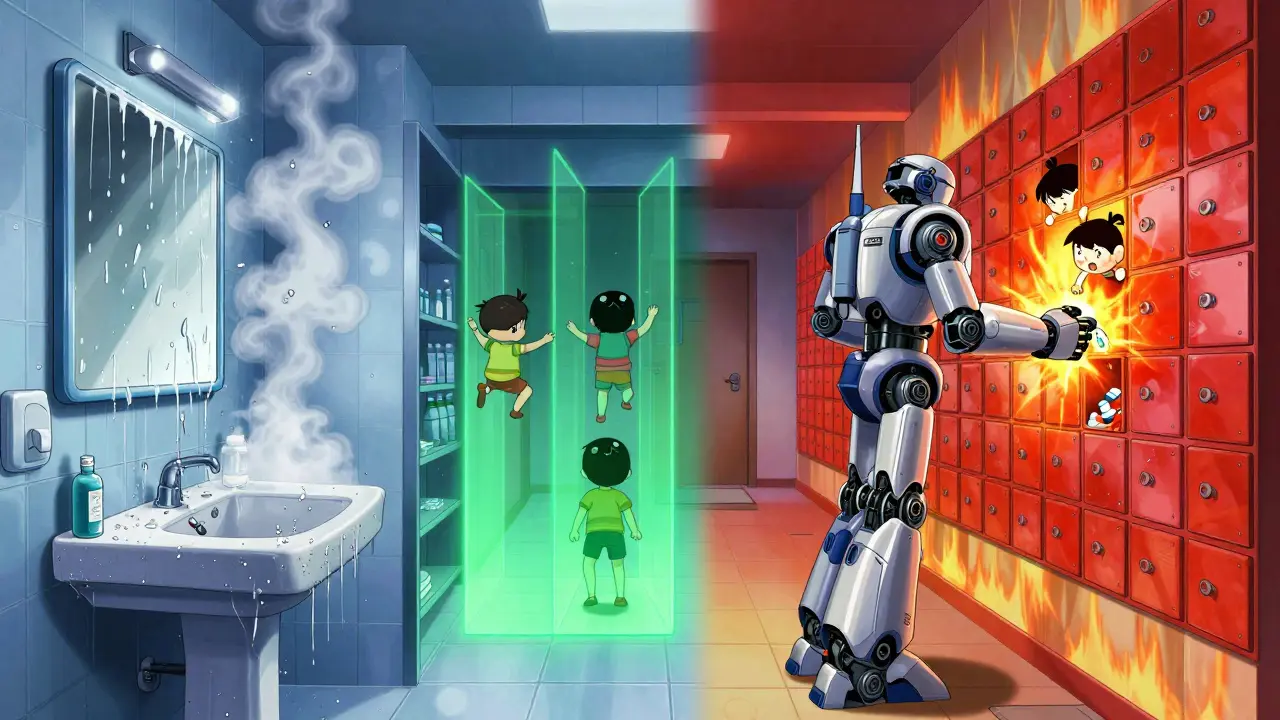
We’ve all seen the classic movie scene: someone opens the bathroom mirror cabinet to grab painkillers. In real life, this is a recipe for disaster. Bathrooms are hot and humid. Every time you take a shower, humidity levels can spike above 80%. This moisture degrades medications. Research indicates that 67% of common medications lose effectiveness within 30 days if stored in such conditions.
Heat and light are also enemies. Don’t store meds in the kitchen near the stove or in a sunny windowsill. Temperature fluctuations break down active ingredients. The ideal environment is cool, dry, and dark. Aim for a temperature between 68°F and 77°F (20°C-25°C) with relative humidity below 60%. A bedroom closet or a hallway drawer-locked, of course-is usually perfect.
Special Cases: Insulin and Refrigerated Meds
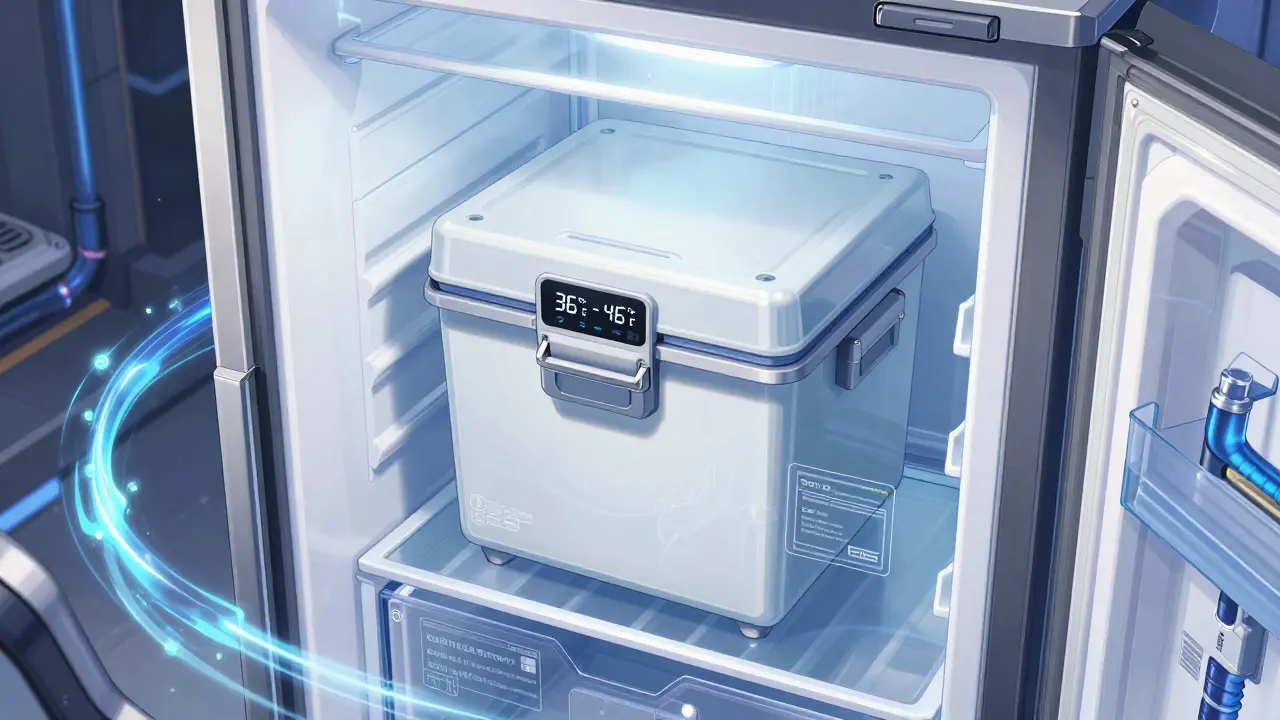
Not all medications fit the "cool, dry place" rule. Some, like insulin, certain liquid antibiotics, and some eye drops, require refrigeration. The sweet spot is between 36°F and 46°F (2°C-8°C). But here’s the catch: do not put them in the door of the fridge. The temperature fluctuates too much every time you open it. Keep them on a middle shelf, away from the cooling element.
Even in the fridge, safety matters. Kids can reach into the refrigerator. Use a locked container inside the fridge if possible, or store these items in a part of the fridge that is difficult to access. Never freeze medications unless the label explicitly says you can. Freezing can destroy the molecular structure of many drugs.
Disposal: When to Throw Away Old Meds
Safely storing meds includes knowing when to get rid of them. Hoarding old prescriptions creates clutter and risk. Expired drugs may not work, and in some cases, they can become toxic. Check expiration dates regularly. If a med is expired, unused, or no longer prescribed, dispose of it properly.
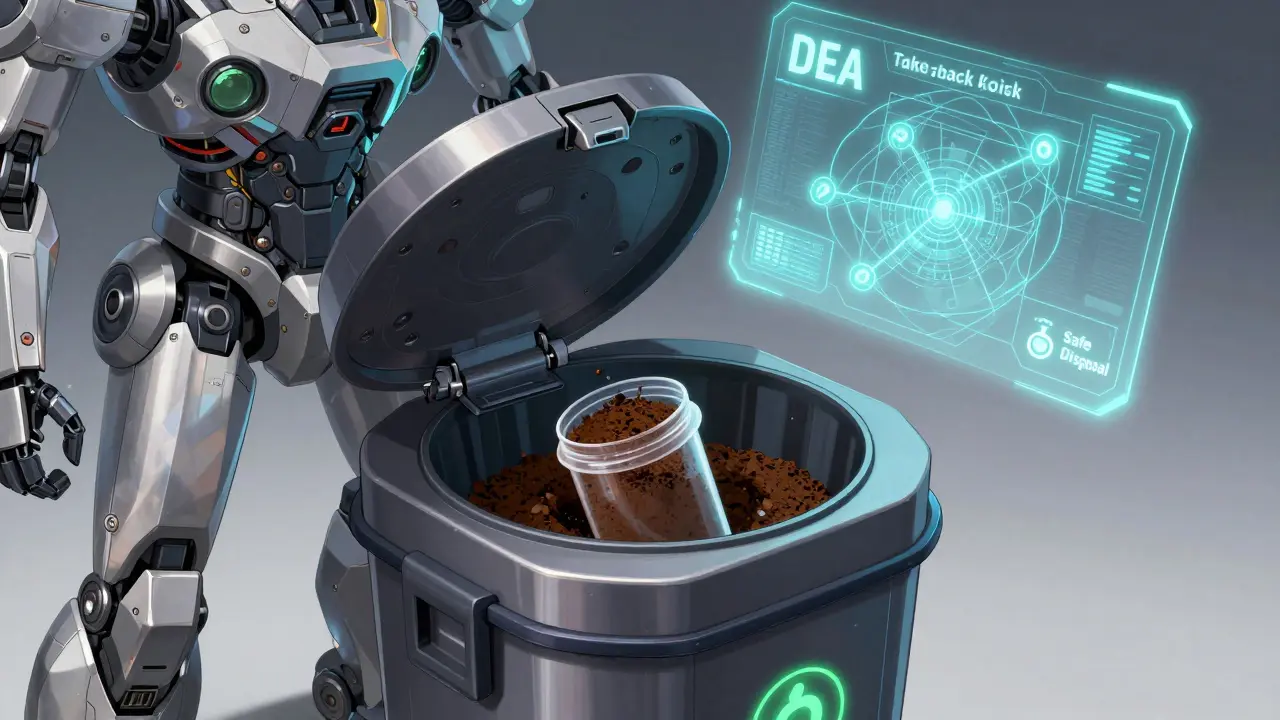
Flushing is rarely the right answer. Only flush medications if the label specifically instructs you to do so-usually those with high abuse potential like opioids. For most other drugs, flushing contaminates water supplies. Instead, use drug take-back programs. The DEA hosts National Prescription Drug Take Back Days twice a year, and many local pharmacies have drop-off kiosks available 24/7.
If no take-back option is nearby, you can dispose of meds in household trash. Mix the pills with an unappealing substance like used coffee grounds, cat litter, or dirt. Seal the mixture in a sealed container or plastic bag before throwing it away. Remove or scratch out personal information from the prescription labels to protect your privacy.
| Medication Type | Ideal Location | Temperature Range | Safety Tip |
|---|---|---|---|
| Tablets & Capsules | Locked cabinet in bedroom/hallway | 68°F - 77°F (20°C - 25°C) | Keep original containers with labels |
| Insulin & Biologics | Refrigerator shelf (not door) | 36°F - 46°F (2°C - 8°C) | Use a locked bin inside the fridge |
| Liquid Antibiotics | Refrigerator or cool dry place | Check label (often 36°F-46°F) | Discard after course completion |
| Eye Drops | Cool, dry place or fridge | Varies by brand | Replace if color changes |
Making It Work for Everyone
Safety looks different depending on who lives in your home. If you care for an elderly parent with dementia, total lockdown might not be practical. They need access to their heart medication or diabetes drugs. In these cases, balance is key. Use pill organizers with locks that the caregiver controls, dispensing doses at specific times. Consult with their healthcare provider for individualized solutions. The goal is to prevent double-dosing or forgetting doses, while keeping harmful meds secure.
For households with teenagers, communication is vital. Explain why certain medications are locked up-not just to punish, but to protect. Teen opioid misuse often starts at home, with 92% of cases originating from family medicine cabinets. Open conversations reduce curiosity and stigma.
Common Mistakes to Avoid
Even well-meaning people make errors. Here are the top pitfalls:
- Purses and Bags: Carrying loose pills in pockets or purses is risky. They spill, get crushed, or are easily grabbed by kids. 27% of poisoning incidents in grandparent homes involve meds found in bags or pockets.
- High Shelves: Thinking "out of sight" means "out of reach" is dangerous. Toddlers climb. Furniture moves. A shelf four feet high is accessible to a determined two-year-old.
- Vehicles: Storing meds in cars exposes them to extreme heat. AAA Foundation data shows 32% of households keep meds in vehicles, creating risks during emergencies or theft.
- Decanting: Removing pills from their original bottles removes crucial info like dosage, expiration, and warnings. Always keep meds in labeled containers.
Next Steps for Your Home
Start today. Audit your current storage spots. Move everything out of the bathroom. Buy a locking box if you don’t have one. Check expiration dates and dispose of old drugs via take-back programs. Teach your kids that medicine is not candy. Small changes create a safer home for everyone.
Is it safe to store medications in the bathroom?
No, it is generally not recommended. Bathrooms are humid and warm due to showers and baths. This environment can degrade medications, reducing their effectiveness. Additionally, bathroom cabinets are often easily accessible to children.
How should I dispose of unused prescription drugs?
The best method is using a drug take-back program at local pharmacies or law enforcement agencies. If unavailable, mix the drugs with an unappealing substance like coffee grounds or cat litter, seal them in a container, and throw them in the trash. Only flush if the label explicitly instructs to do so.
Do child-resistant caps provide enough safety?
Child-resistant caps help but are not sufficient alone. By age five, many children can open them. For true safety, especially with potent medications, store drugs in a locked container or safe.
Can I store insulin in the freezer?
No, freezing insulin can damage its molecular structure and render it ineffective. Store insulin in the refrigerator at 36°F-46°F (2°C-8°C), preferably on a middle shelf away from the cooling element.
What is the best type of lock for a medicine cabinet?
Combination locks or biometric fingerprint scanners are excellent choices as they eliminate the risk of lost keys. Simple keyed locks are also effective if kept securely hidden. Ensure the lock is sturdy and resistant to tampering.