Archive: 2025/12
- December
31
2025 - 5

Upper GI Bleeding: Understanding Ulcers, Varices, and Immediate Stabilization
Upper GI bleeding is a life-threatening condition caused by ulcers, varices, or other sources. Learn the signs, how doctors diagnose and treat it, why timing matters, and what's new in 2025 for better outcomes.
Read More- December
30
2025 - 5
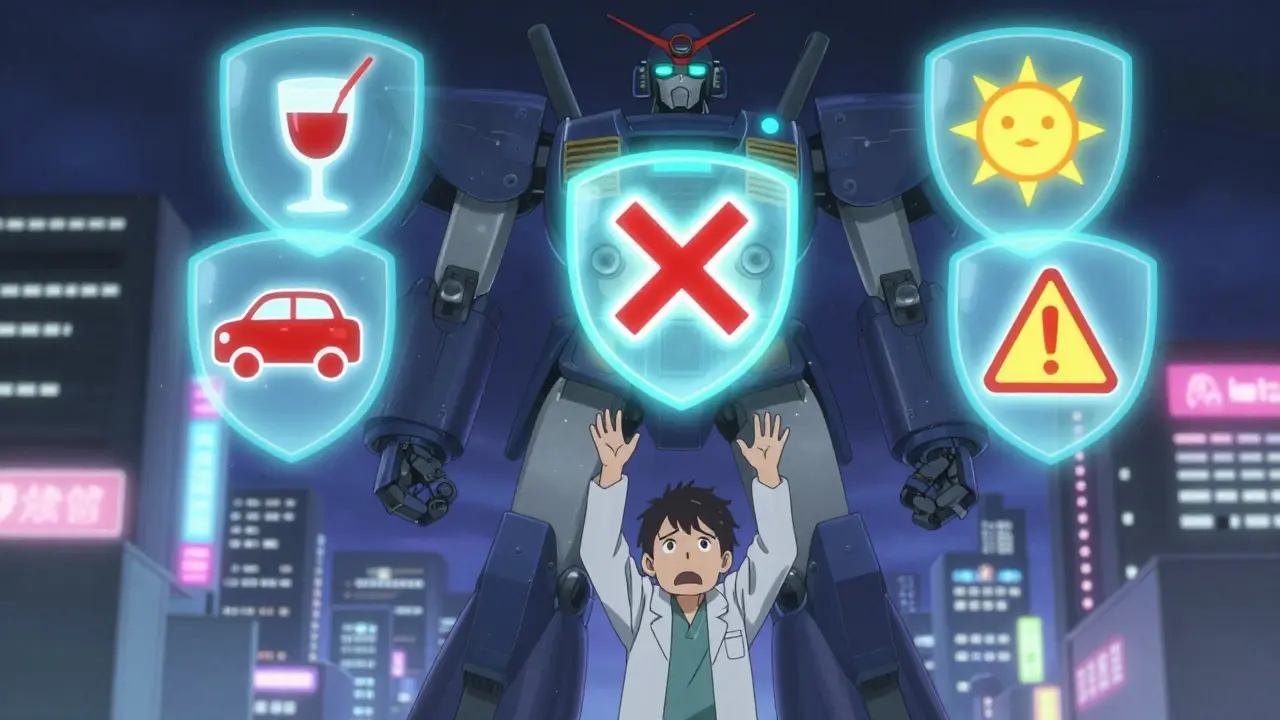
Understanding Pharmacy Warning Icons on Medication Labels
Pharmacy warning icons on medication labels are meant to keep you safe-but many people misunderstand them. Learn what the most common symbols mean, why they often fail, and how to protect yourself from dangerous mistakes.
Read More- December
29
2025 - 5

H1 vs H2 Blockers: Side Effects and When to Use Each
Learn the key differences between H1 and H2 blockers - what they treat, their side effects, and when to use each. Get clear guidance on allergy and acid reflux meds.
Read More- December
28
2025 - 5
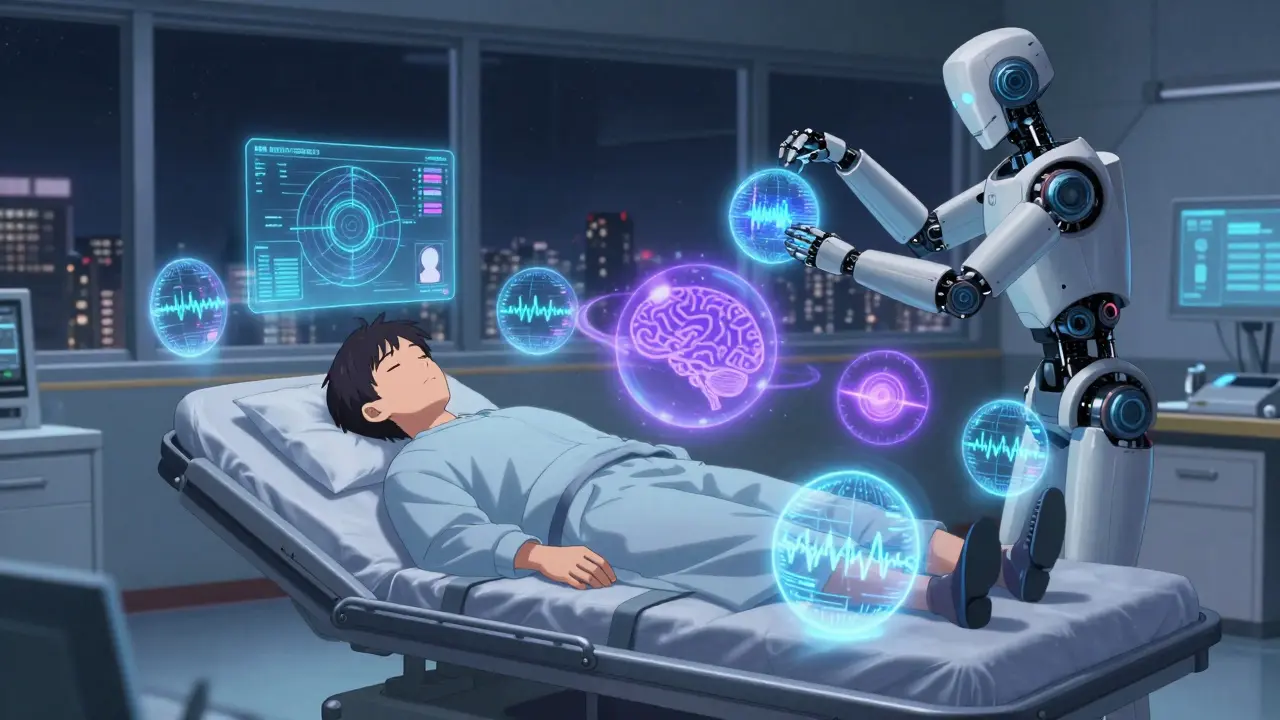
Polysomnography: What to Expect During a Sleep Study and How Results Are Interpreted
Polysomnography is the gold standard sleep study that tracks brain waves, breathing, oxygen, and movement overnight to diagnose sleep disorders like apnea, narcolepsy, and parasomnias. Learn what to expect and how results guide treatment.
Read More- December
27
2025 - 5

Antiplatelet Side Effects: Clopidogrel, Prasugrel, and Ticagrelor Compared
Clopidogrel, prasugrel, and ticagrelor are key antiplatelet drugs used after heart attacks and stents. Each has different bleeding risks, side effects, and effectiveness. This guide compares their real-world impacts, from dyspnea with ticagrelor to genetic resistance with clopidogrel.
Read More- December
25
2025 - 5

Pediatric Safety: What Parents and Doctors Need to Know About Generic Drugs for Children
Generic drugs for children aren't always safe just because they're cheaper. Learn why inactive ingredients, off-label use, and lack of pediatric testing make some generics dangerous - and how to protect your child.
Read More- December
24
2025 - 5
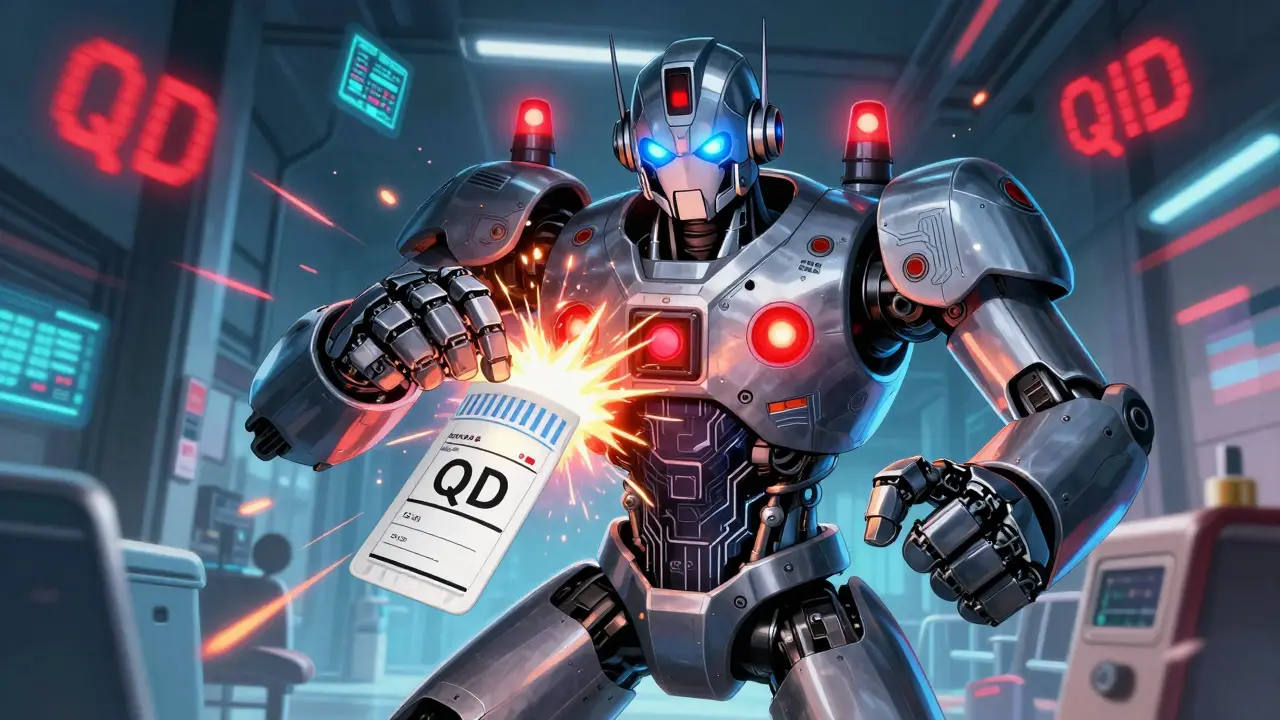
QD vs. QID: How Prescription Abbreviations Cause Dangerous Medication Errors and How to Stop Them
QD and QID are dangerous prescription abbreviations that cause patients to take four times their intended dose. Learn how this confusion happens, why it's deadly, and how to prevent it with simple, clear language.
Read More- December
23
2025 - 5
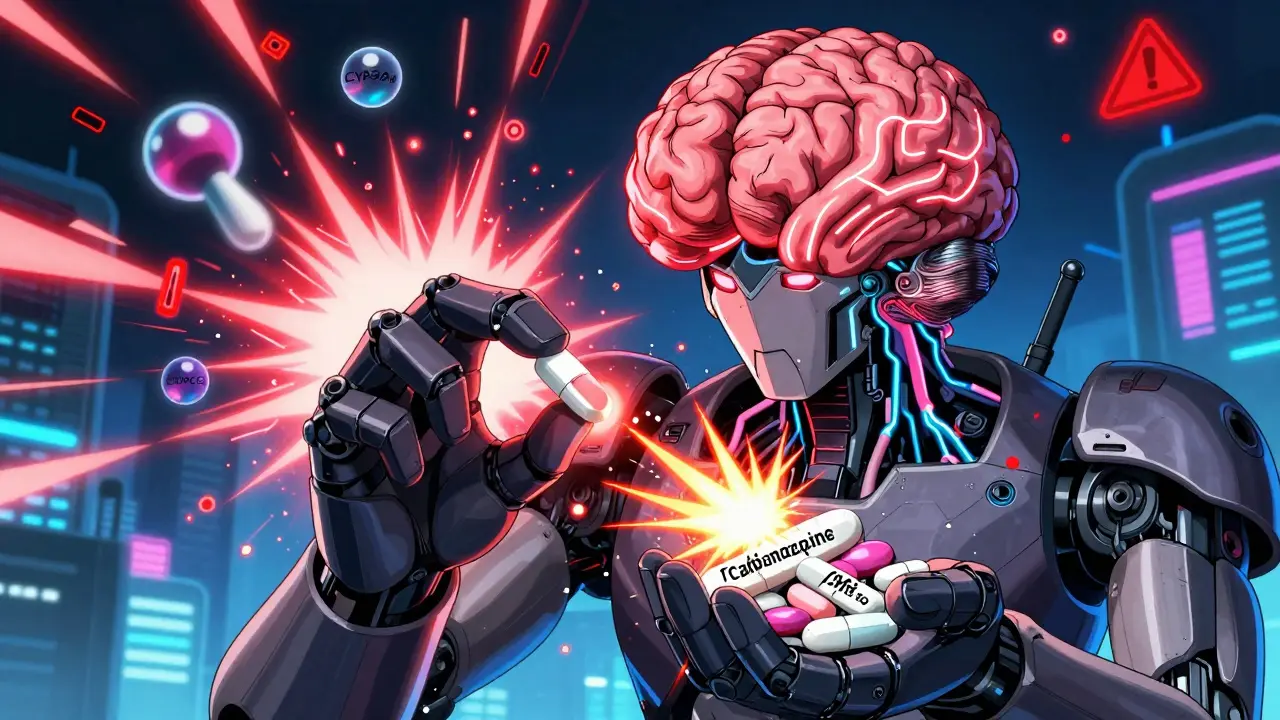
Carbamazepine Generics: Enzyme Induction and Drug Interactions Explained
Carbamazepine generics can trigger dangerous drug interactions and seizures due to enzyme induction and formulation differences. Learn why switching brands can be risky and how to stay safe with therapeutic monitoring and genetic screening.
Read More- December
22
2025 - 5

How to Read Pharmacy Allergy Alerts and What They Really Mean
Learn how to interpret pharmacy allergy alerts, spot false warnings, and fix inaccurate allergy records to avoid unnecessary medication restrictions and dangerous alert fatigue.
Read More- December
21
2025 - 5

Vitiligo Treatment: How Phototherapy Works and Why It’s Combined with Topical Therapy, Not Depigmentation
Phototherapy is the most effective treatment for vitiligo, but it's not combined with depigmentation. Learn how NB-UVB light works, why some body parts respond better, and how adding topical creams boosts results.
Read More- December
20
2025 - 5

Topical Analgesics: Lidocaine, Capsaicin, and NSAID Gels Explained
Lidocaine, capsaicin, and NSAID gels offer targeted pain relief with fewer side effects than pills. Learn how each works, who they’re best for, and how to use them right.
Read More- December
19
2025 - 5

How Lower Generic Drug Prices Improve Patient Adherence and Cut Healthcare Costs
Lower generic drug prices directly improve patient adherence, reduce hospitalizations, and save billions in healthcare costs. Evidence shows that affordable generics lead to better health outcomes across chronic conditions like diabetes, heart disease, and cancer.
Read More